--> Quick link to photo page
--> Darwinning
Darwin Safari 2007 photo page
It is organized by venue.
Some links within the page
 shrewsbury
cambridge
edinburgh
malvern
shrewsbury
cambridge
edinburgh
malvern

Shrewsbury ("ShrOsebury")
Darwin is born!
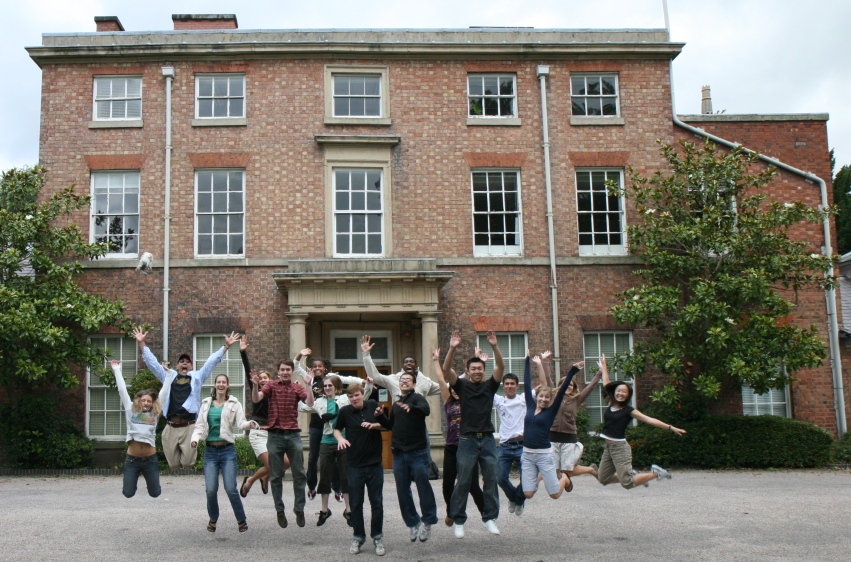
The picture is taken at The Mount, home of Darwin's father who coincidently is also named
Darwin.
Supposedly Charles was born on the second floor on the left side.
I came back later to explore the room.
The Darwin Safari
Shrewsbury
Ausgust 26, 2007
Old School Darwin
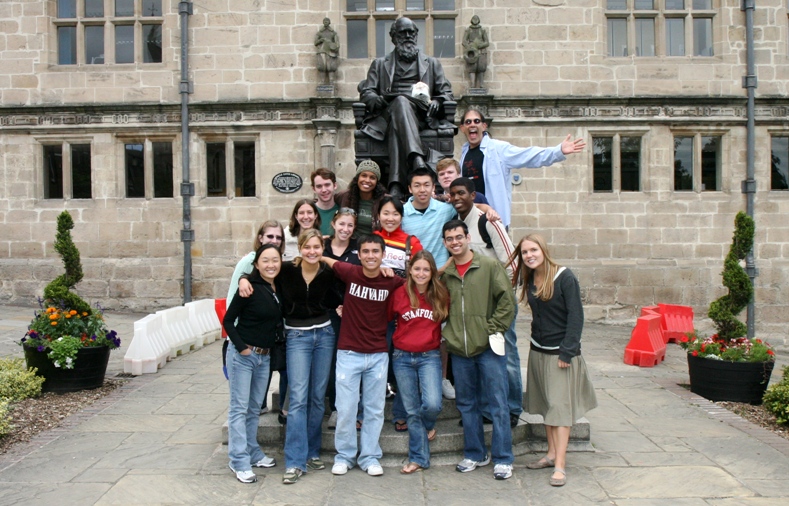
The Darwin Safari
Shrewsbury
September 2007
Peter Boyd - at the Mount
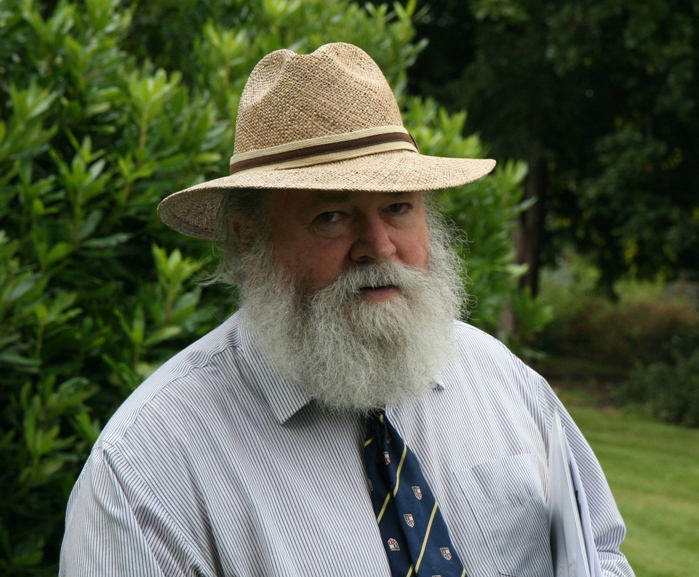
The Darwin Safari
Shrewsbury
August 26, 2007
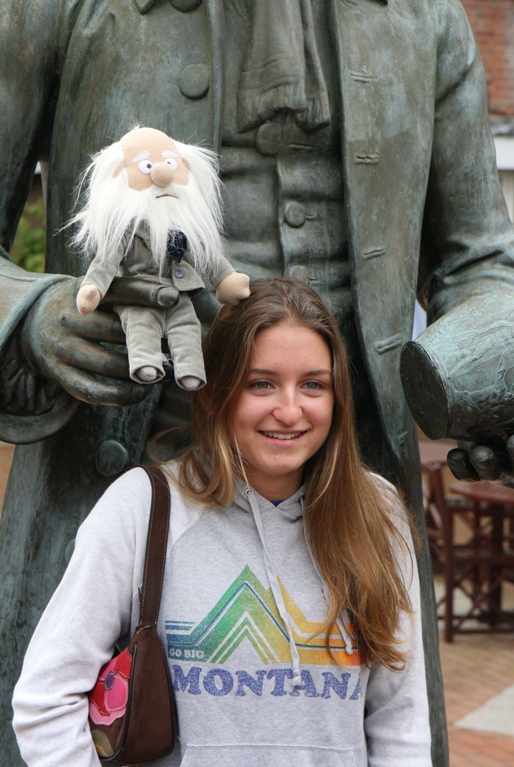
The Charles at the Mount
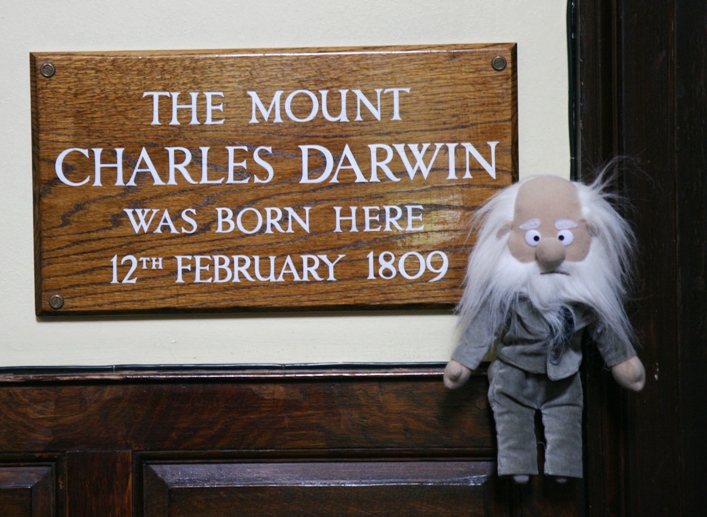
The Darwin Safari
Shrewsbury
August 26, 2007
Yew at the Mount
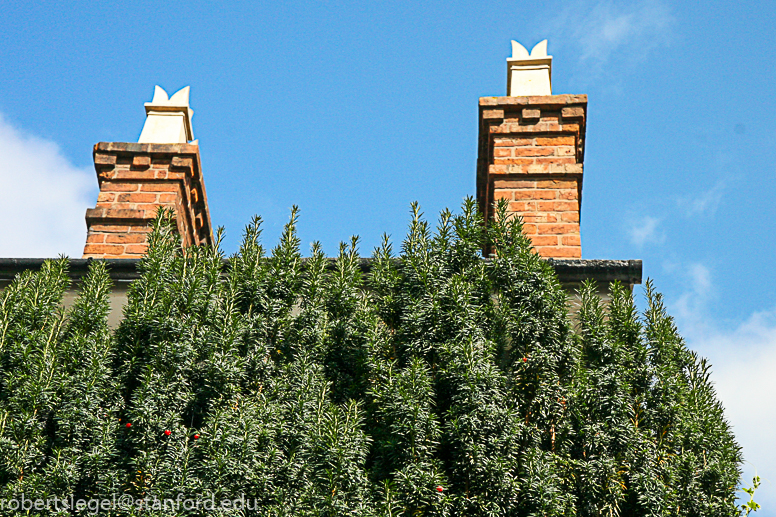
Yew
The Darwin Safari
Shrewsbury
August 26, 2007
Canon 30D
Darwin and the Bellstone
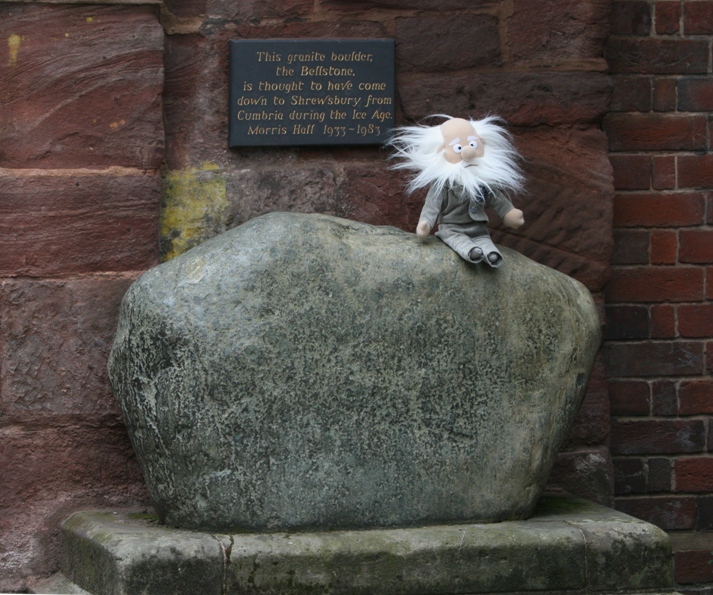
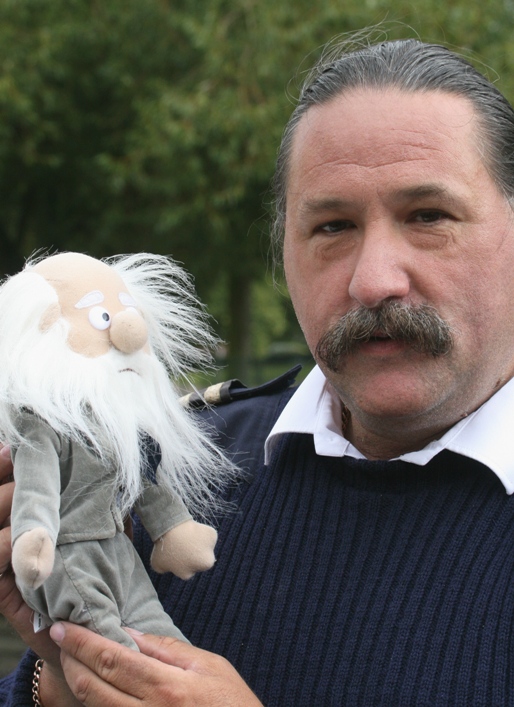
The Captain and Charles
Darwin pixellated
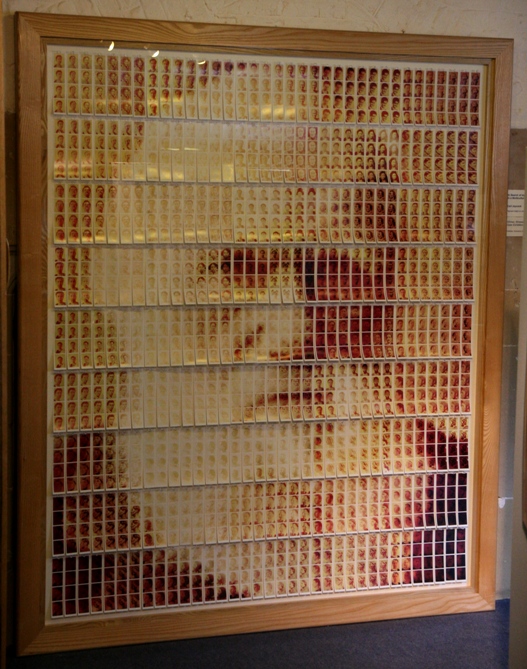
Mural philosophy
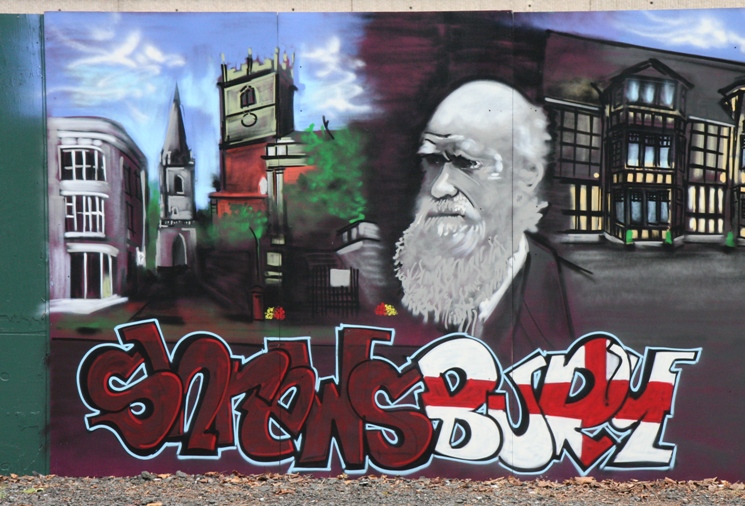
Shrewsbury stunna
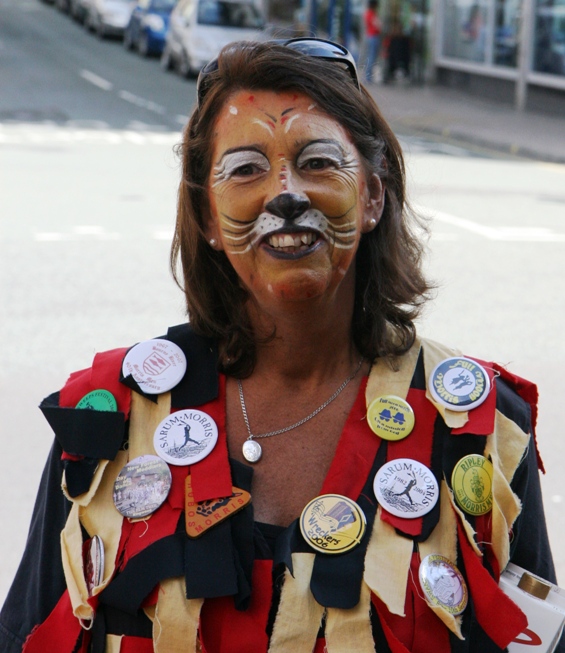
Barleston - The Wedgwood museum
"Wedged" in
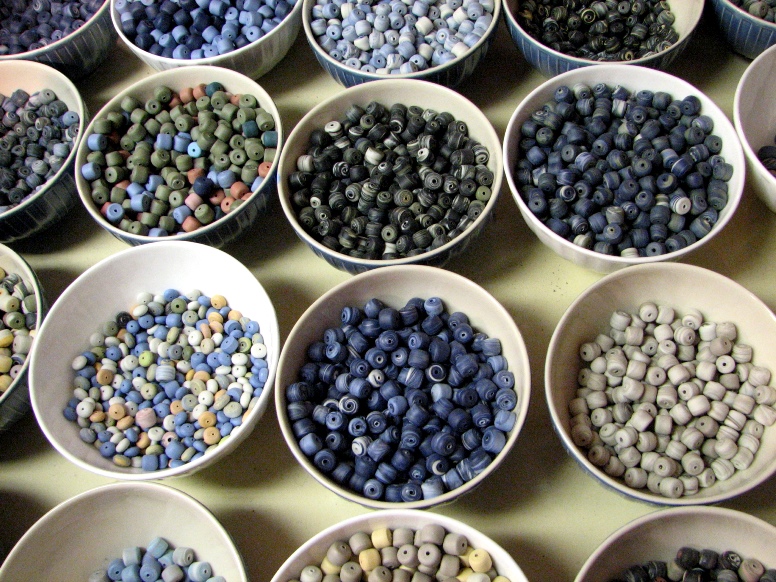
The venerable bead
Lichfield - home of Erasmus Darwin
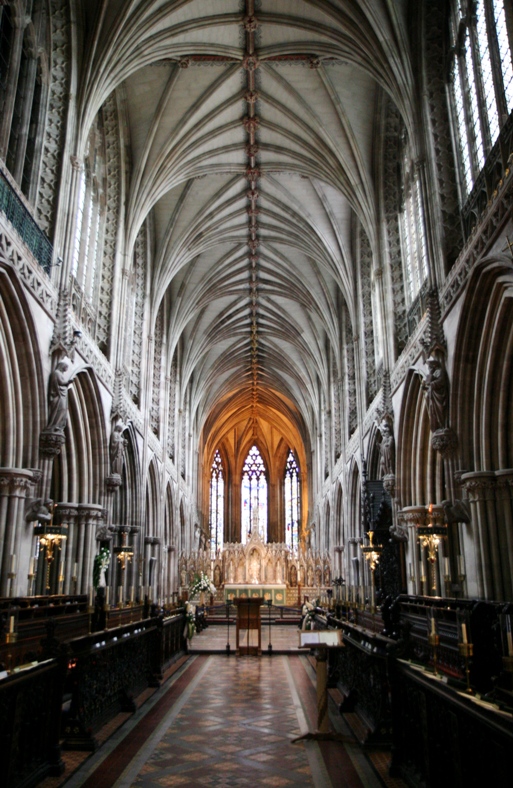
Lichfield cathedral
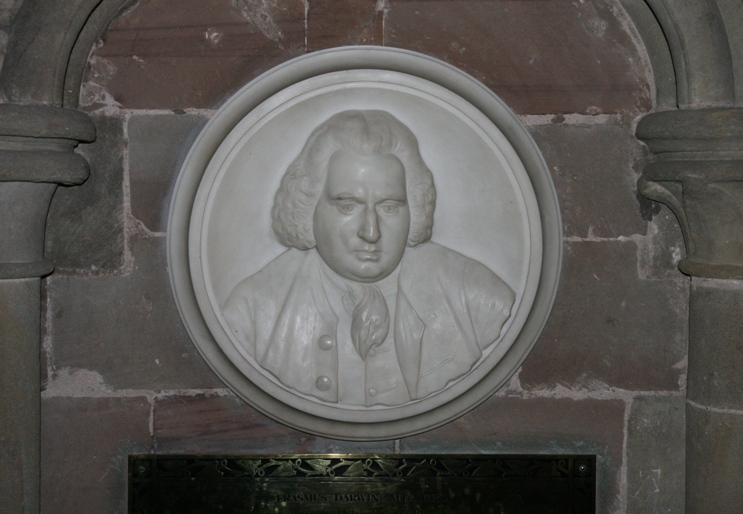
Erasmus plaque
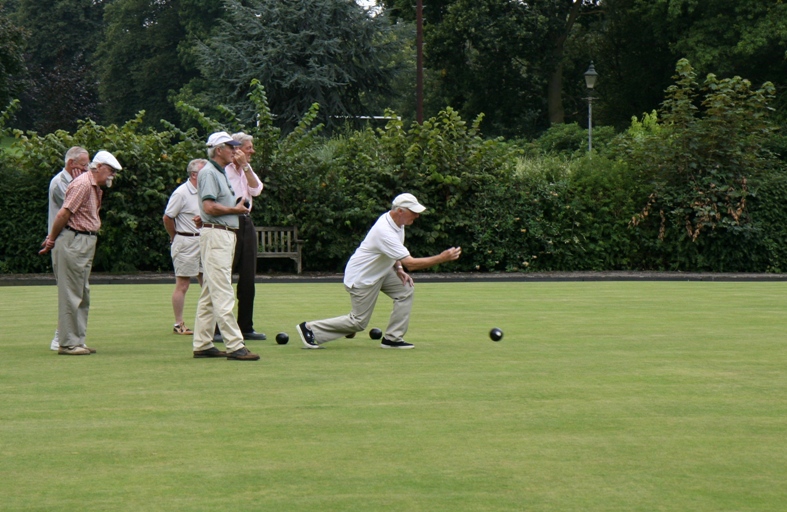
The unmitigated excitement of lawn bowling
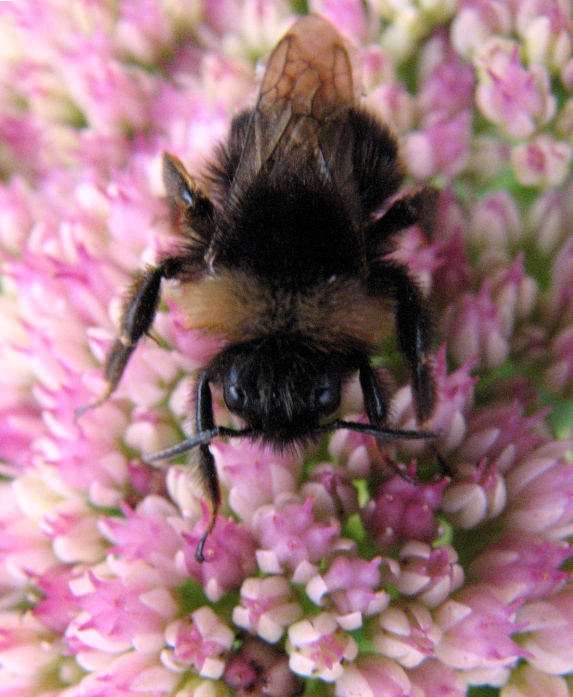
What it's like to bee in Lichfield
Snowdon
Bob on top
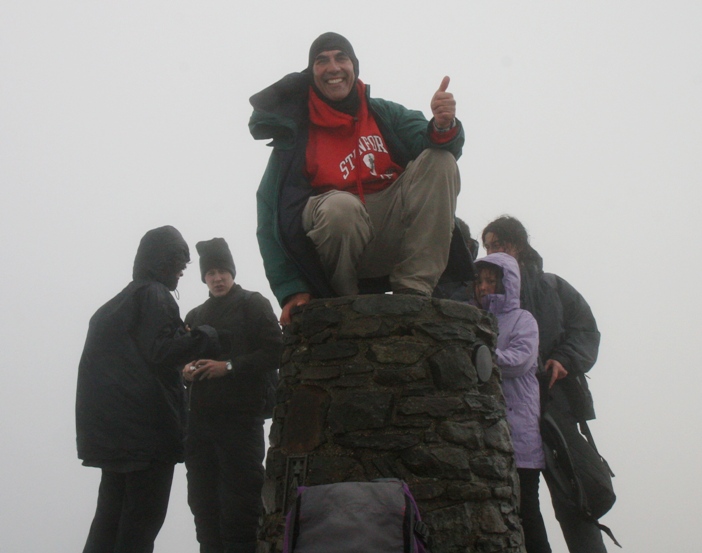
At 1,085 meters (3,560 feet), Snowdon was "the high point" of our trip.
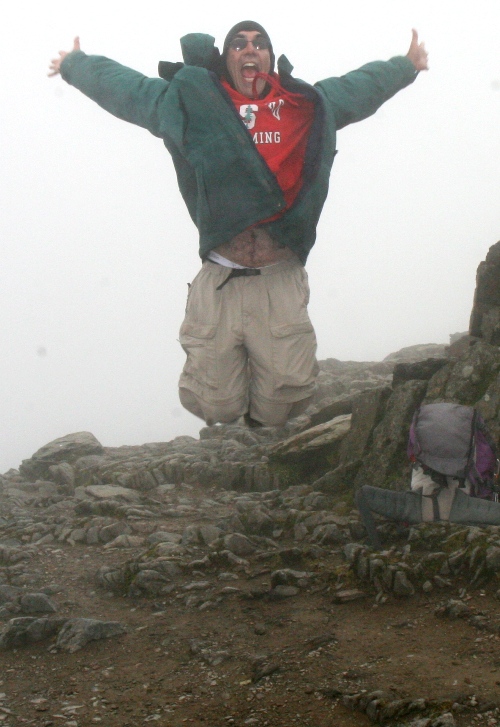
Darwin gets support from all directions
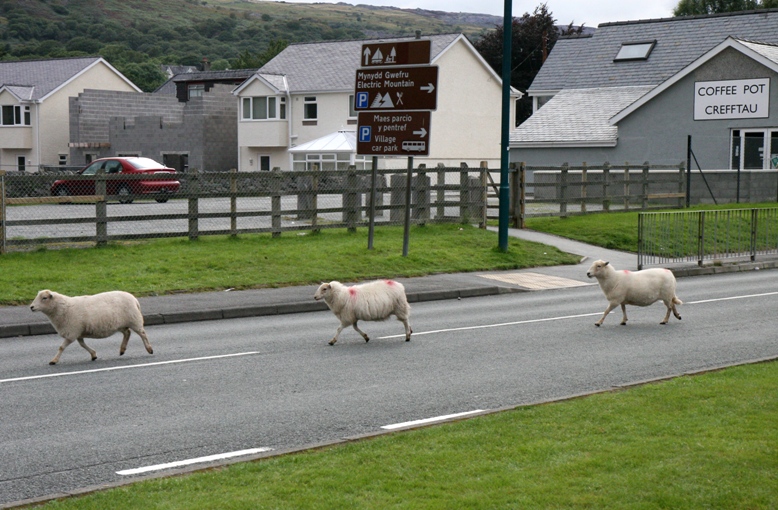
Sheep in the city
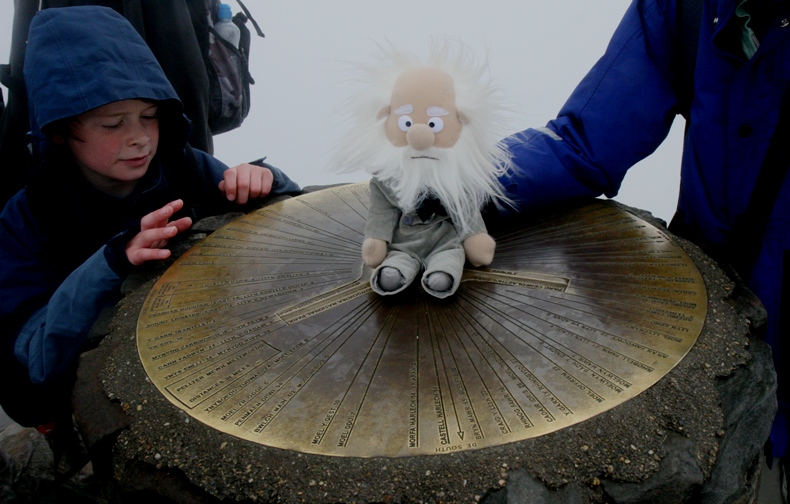
Darwin peeps
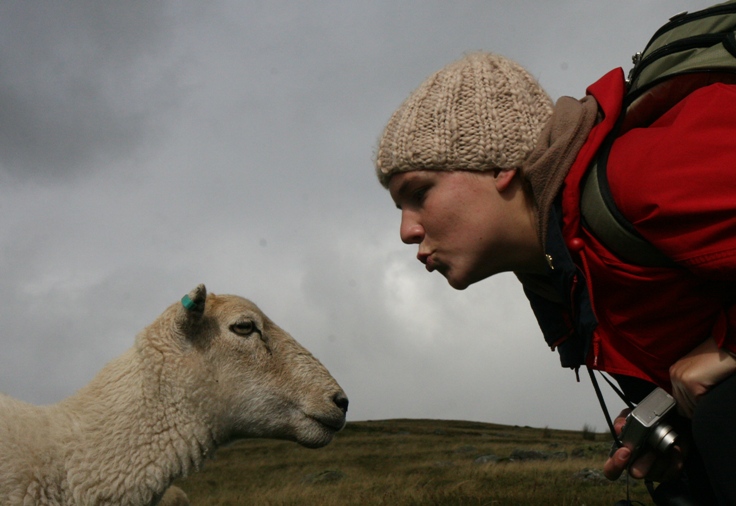
Sheep love
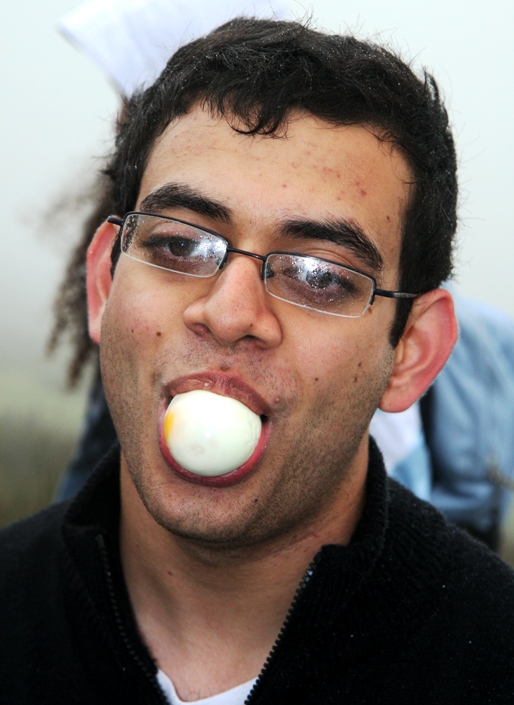
Cool hand Sagar
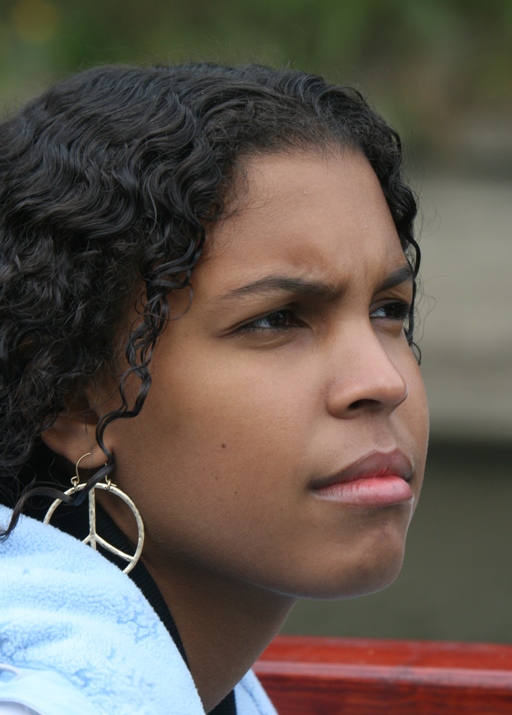
Kate contemplative on the Severn
Blist Hill
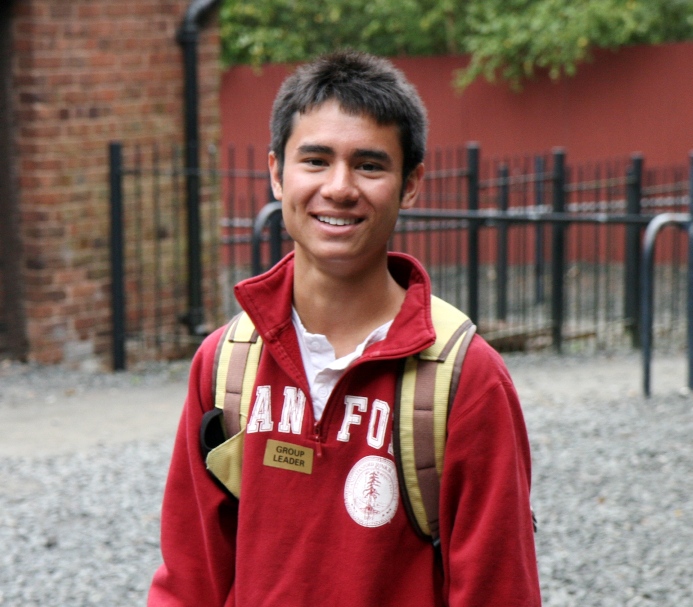
Josh as group leader
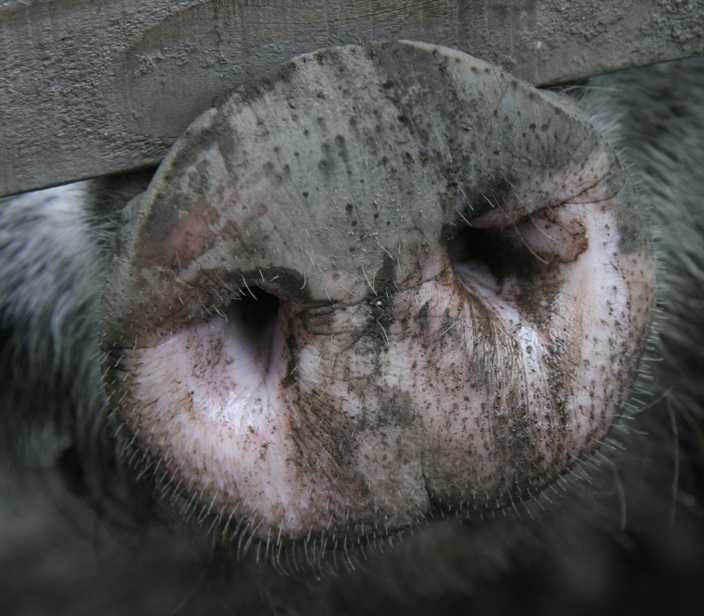
Porcine breathing apparatus
Iron bridge
Ironing things out
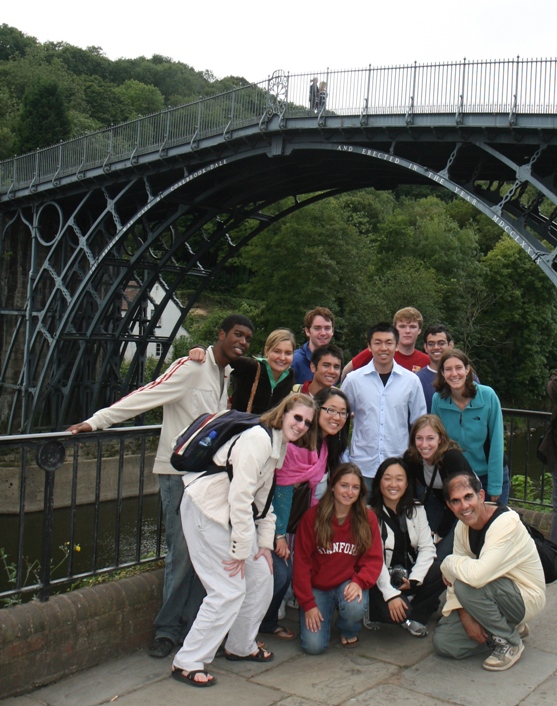
The Darwin Safari
Iron bridge
September, 2007
The face in the bridge
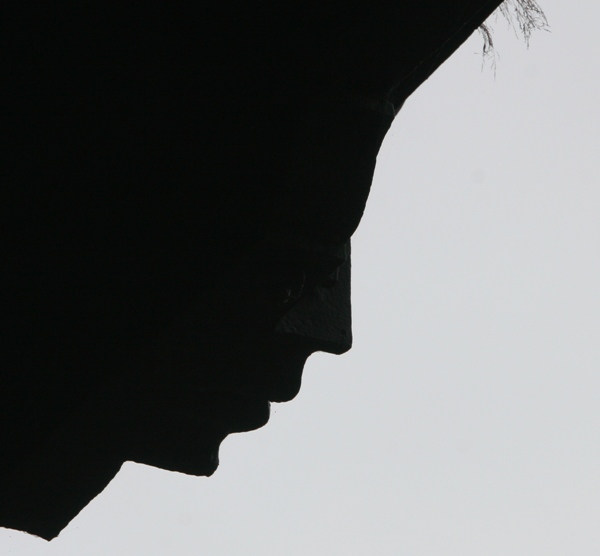
Pareidolia
The Darwin Safari
Iron bridge
September, 2007
Wroxeter
Anne Wrox out
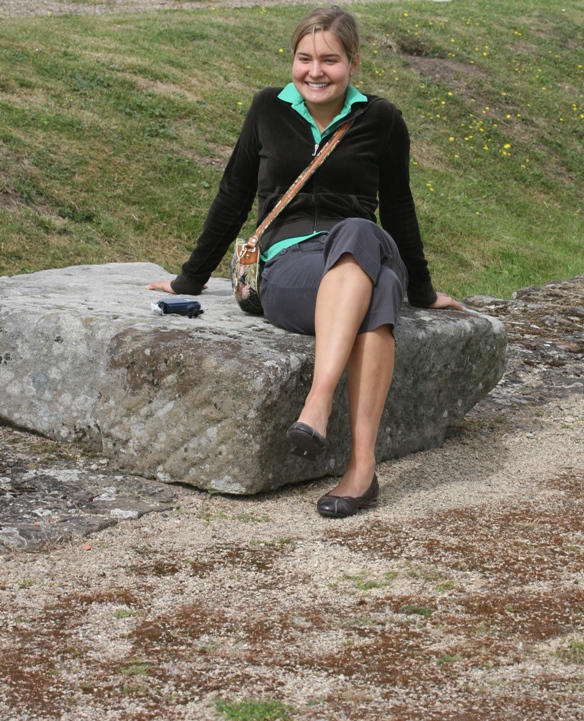
Edinburgh, Scotland
Sitting atop Arthur's seat
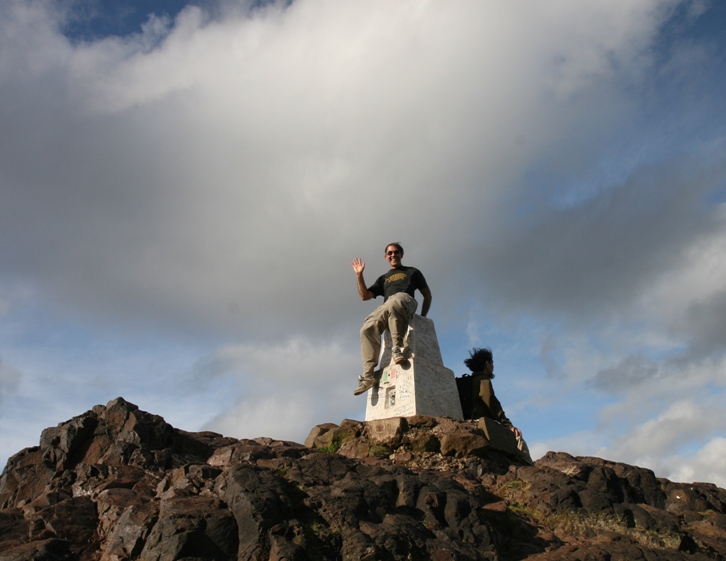
Edinburgh, Scotland
September, 2007
Darwinian education
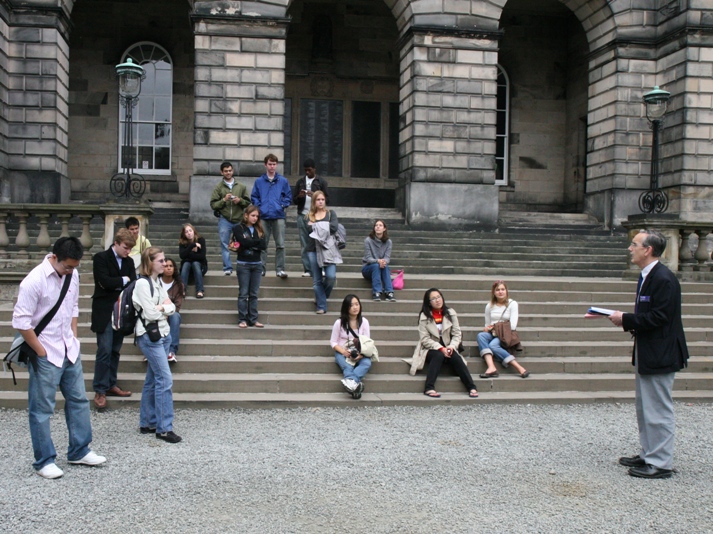
Edinburgh, Scotland
September, 2007
Darwin's Lothian home
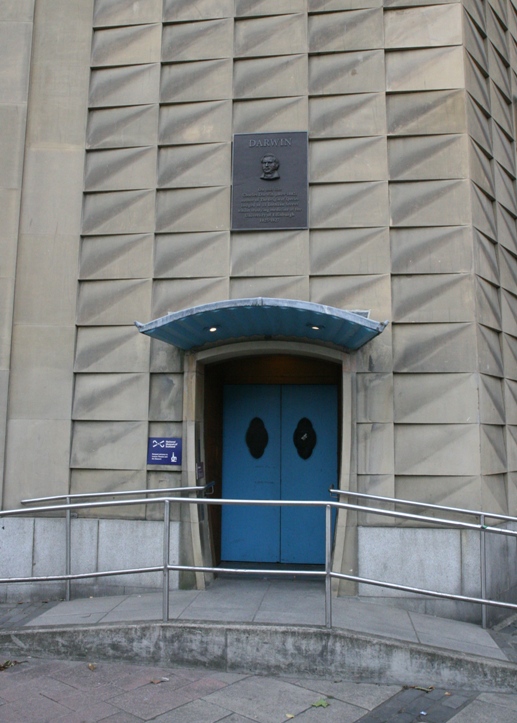
Edinburgh, Scotland
September, 2007
Darwin's home plaquated
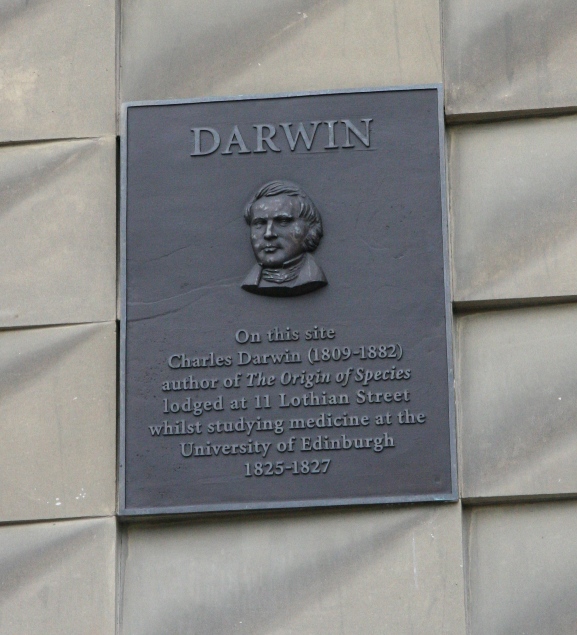
Edinburgh, Scotland
September, 2007
Darwin lothian around
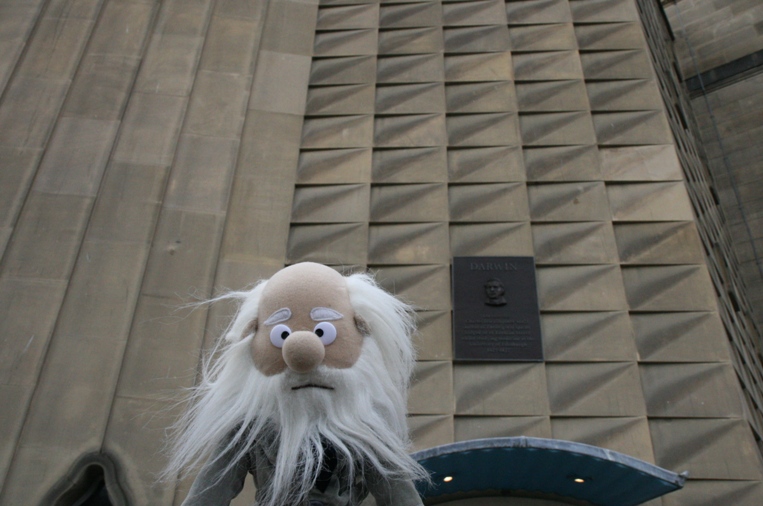
Edinburgh, Scotland
September, 2007
Fear and lothian in Edinburgh
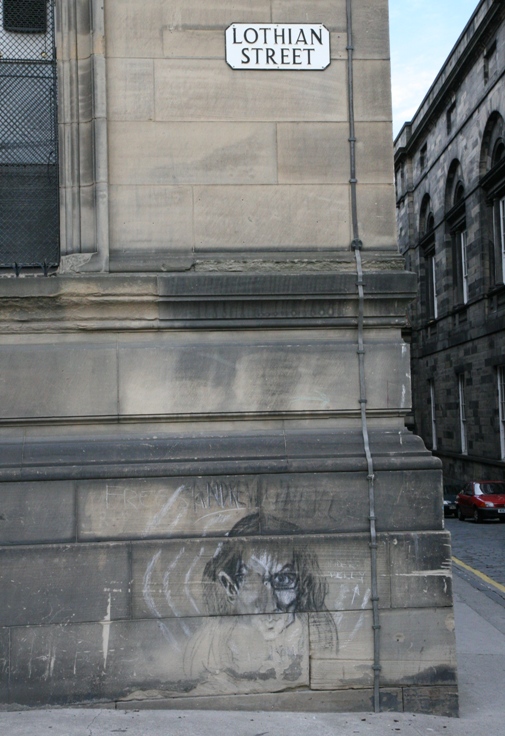
Edinburgh, Scotland
September, 2007
Hume us a tune
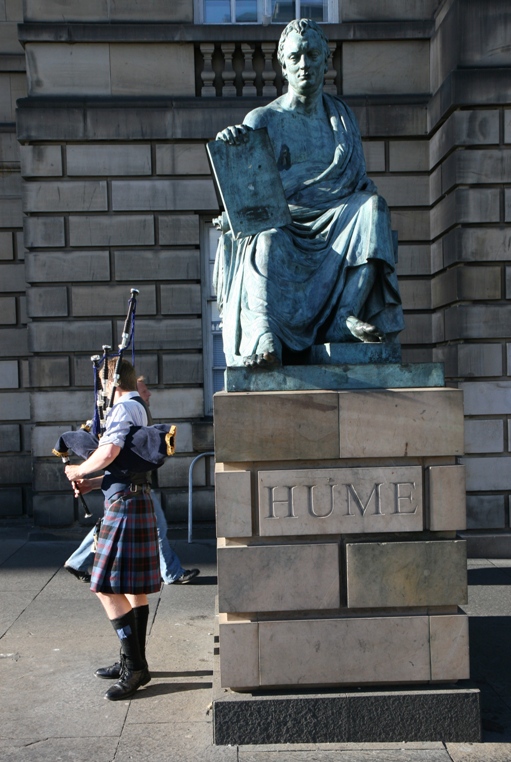
Edinburgh, Scotland
September, 2007
Hello Dolly
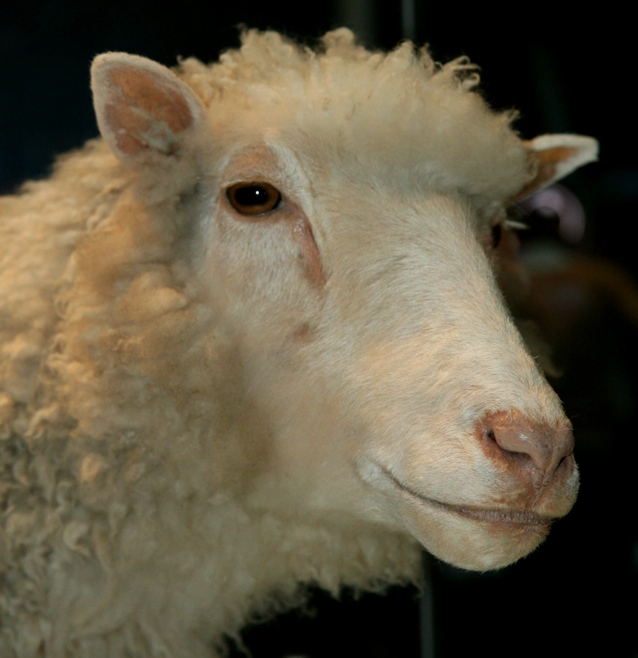
Edinburgh, Scotland
September, 2007
Dolly in the spotlight
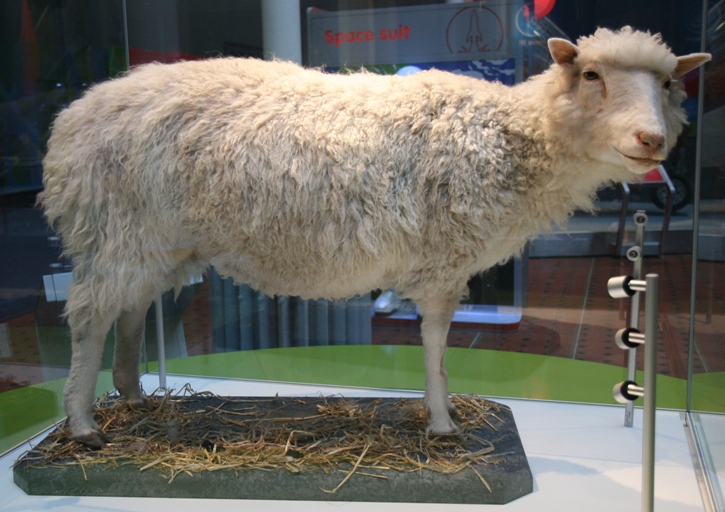
Edinburgh, Scotland
September, 2007
Cloned?
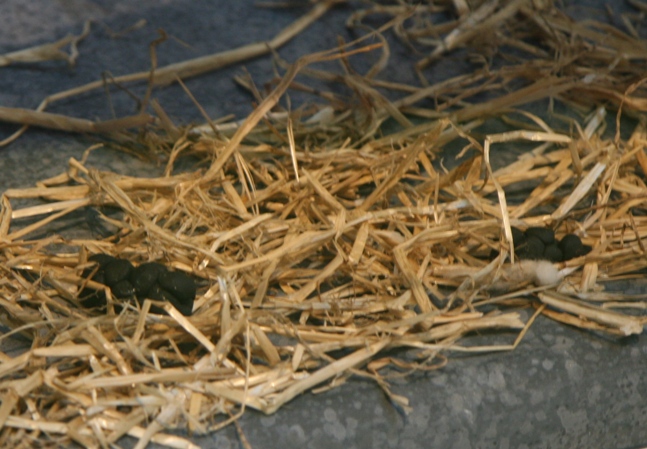
Edinburgh, Scotland
September, 2007
Castle luminousity
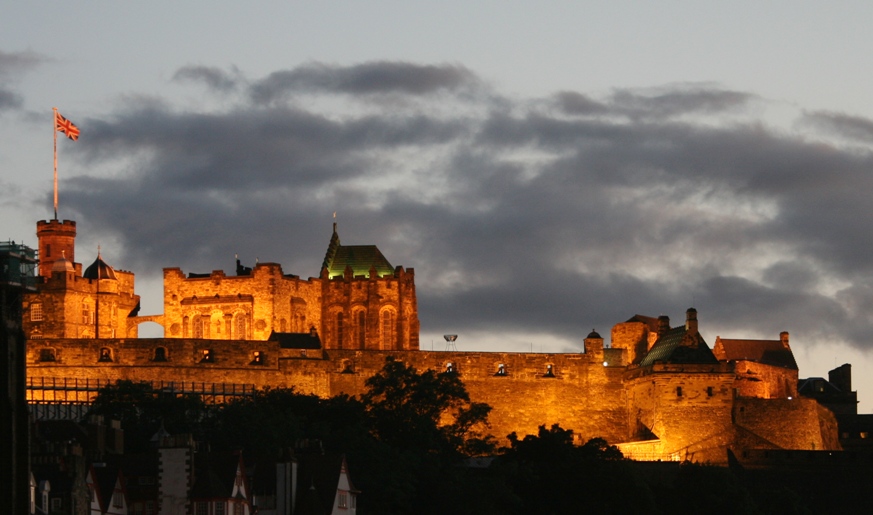
Works of fire over Edinburgh castle
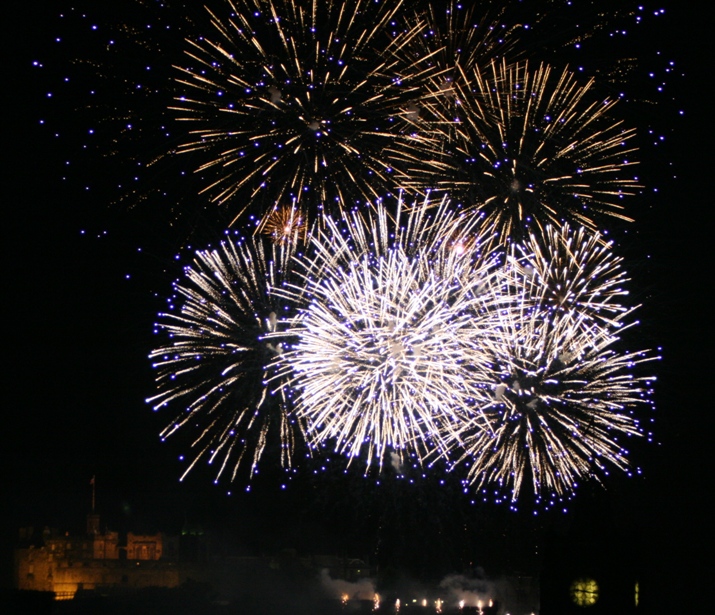
Edinburgh, Scotland
September, 2007
Near St John's cathedral
Edinburgh, Scotland
September, 2007
The Museum of Anatomy, University of Edinburgh Medical School
Elephantine entrance
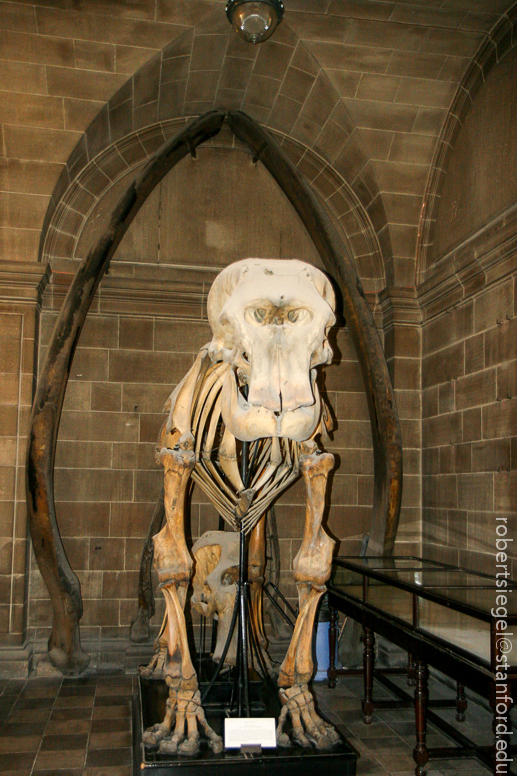
University of Edinburgh
Museum of Anatomy
Elephants
Edinburgh, Scotland
The Darwin Safari
September 3, 2007
Canon 30D
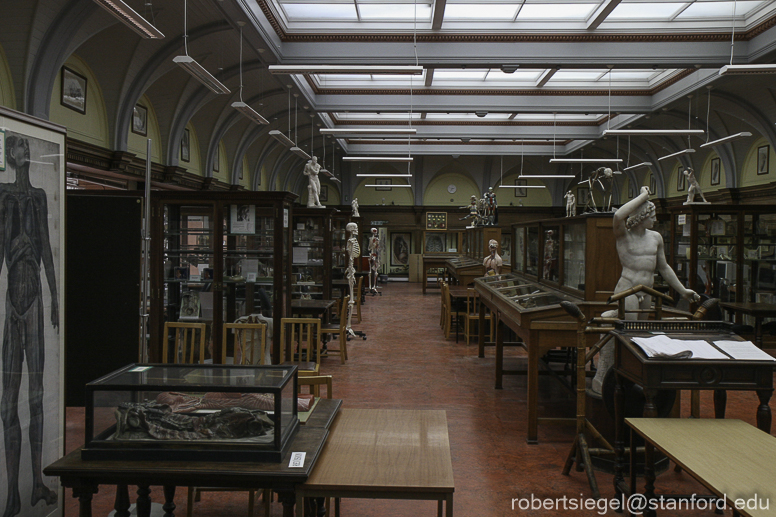
University of Edinburgh
Museum of Anatomy
Edinburgh, Scotland
The Darwin Safari
September 3, 2007
Canon 30D
No sticks
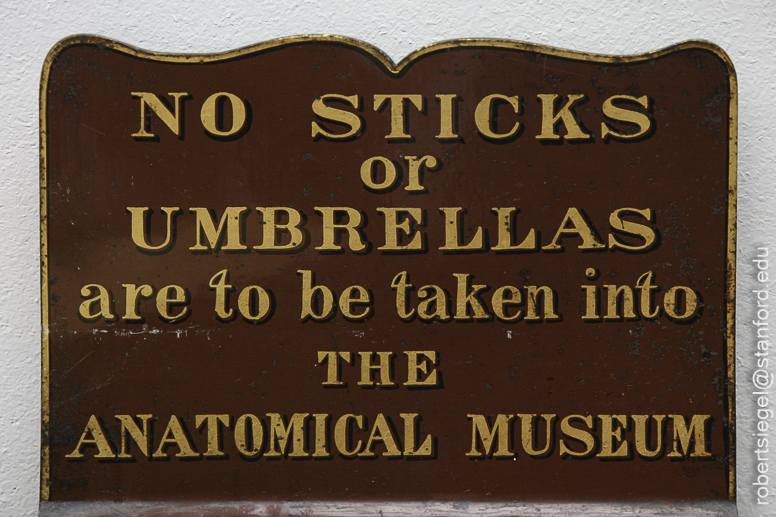
Signs
University of Edinburgh
Museum of Anatomy
Edinburgh, Scotland
The Darwin Safari
September 3, 2007
Canon 30D
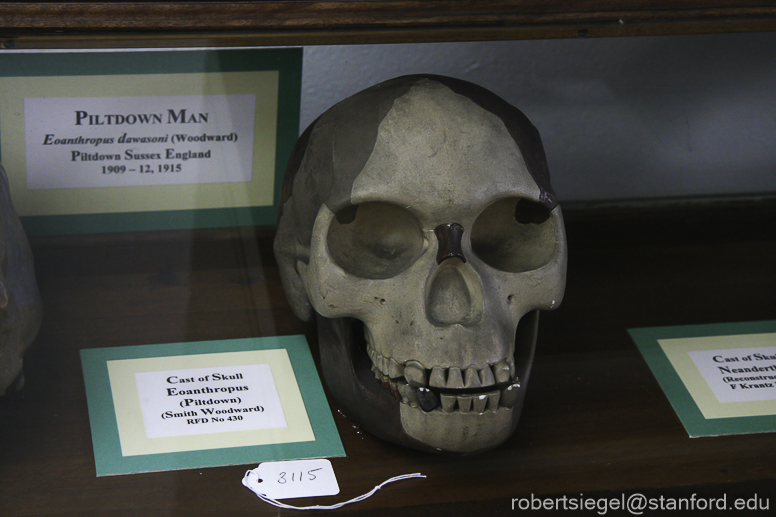
Skulls
University of Edinburgh
Museum of Anatomy
Edinburgh, Scotland
The Darwin Safari
September 3, 2007
Canon 30D
Burke and Hare
Burke
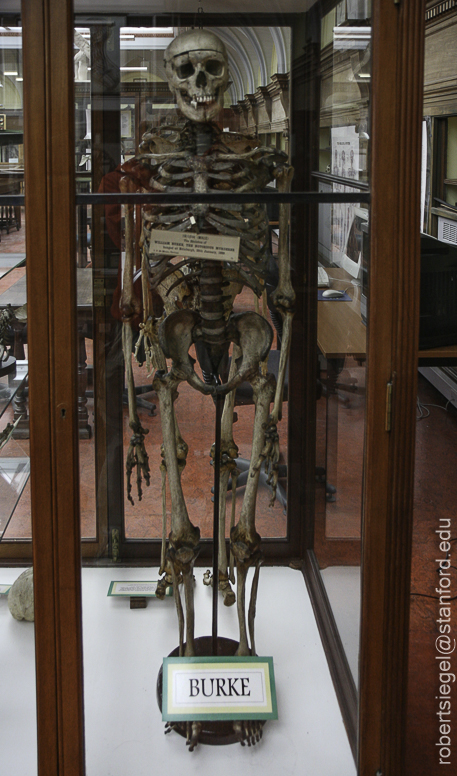
Burke and Hare
University of Edinburgh
Museum of Anatomy
Edinburgh, Scotland
The Darwin Safari
September 3, 2007
Canon 30D
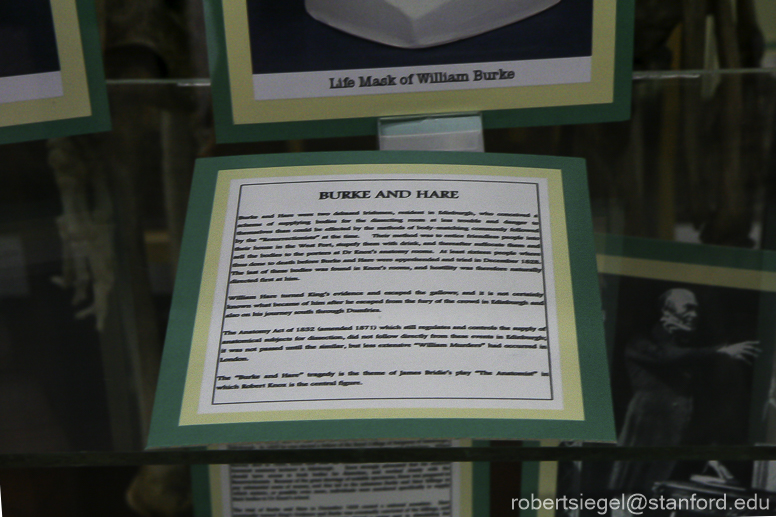
Burke and Hare
University of Edinburgh
Museum of Anatomy
Edinburgh, Scotland
The Darwin Safari
September 3, 2007
Canon 30D
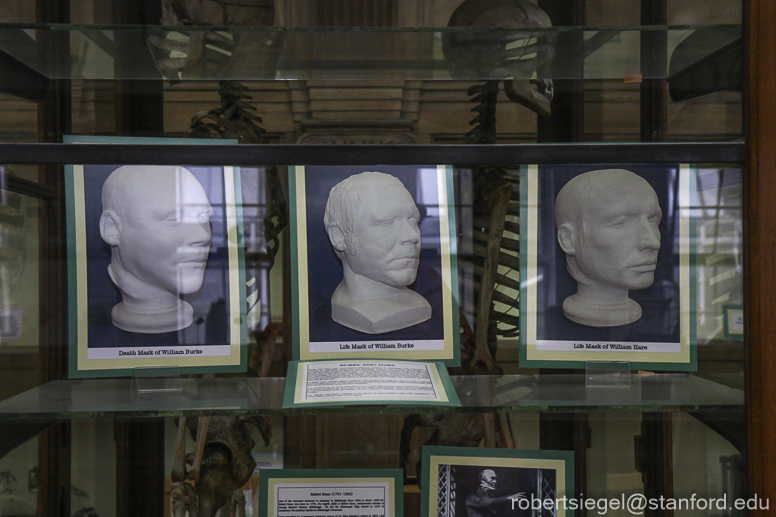
Burke and Hare
University of Edinburgh
Museum of Anatomy
Edinburgh, Scotland
The Darwin Safari
September 3, 2007
Canon 30D
Oxford
Geoffrey Tyack demystifies Oxford
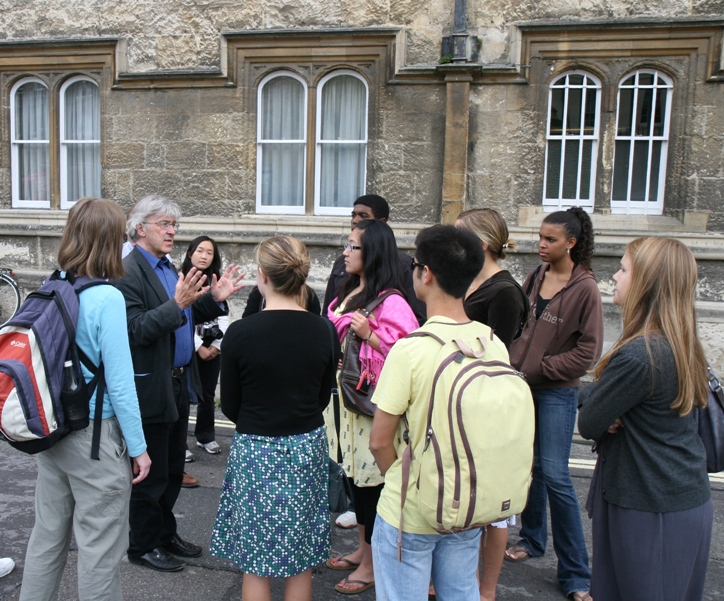
Shrewsbury
Oxford
September 2007
Natural History Museum - site of the famous Huxley-Wilberforce debate
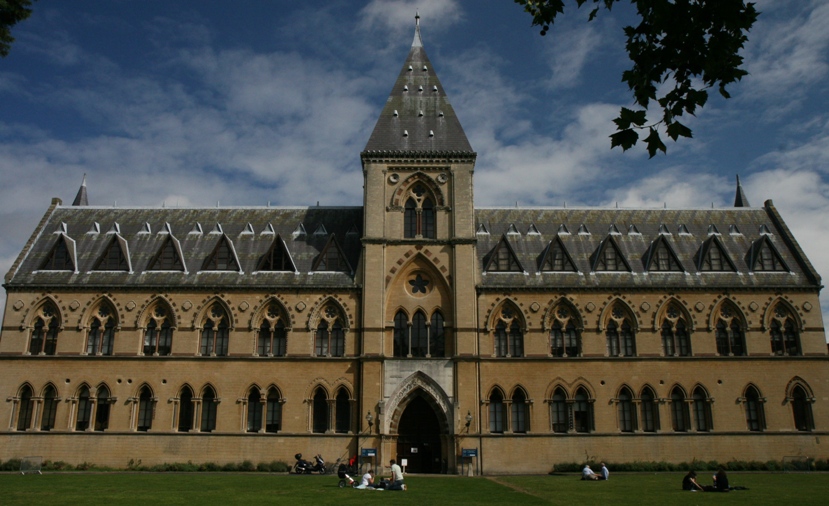
Darwin Safari
Oxford
September 2007
Aye aye skeleon
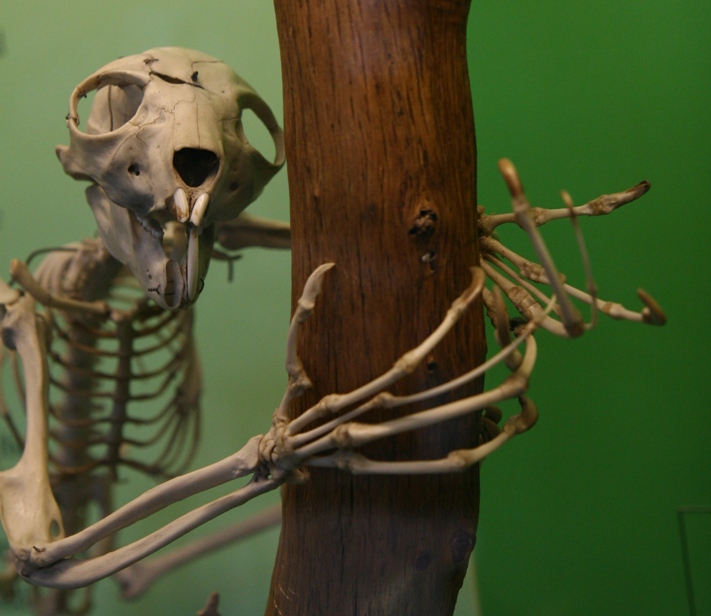
Aye-aye (Daubentonia madagascariensis)
Family: Daubentoniidae
Darwin Safari
Oxford
September 6, 2007
Aye aye skeletal hand showing remarkable adaptation of the middle finger
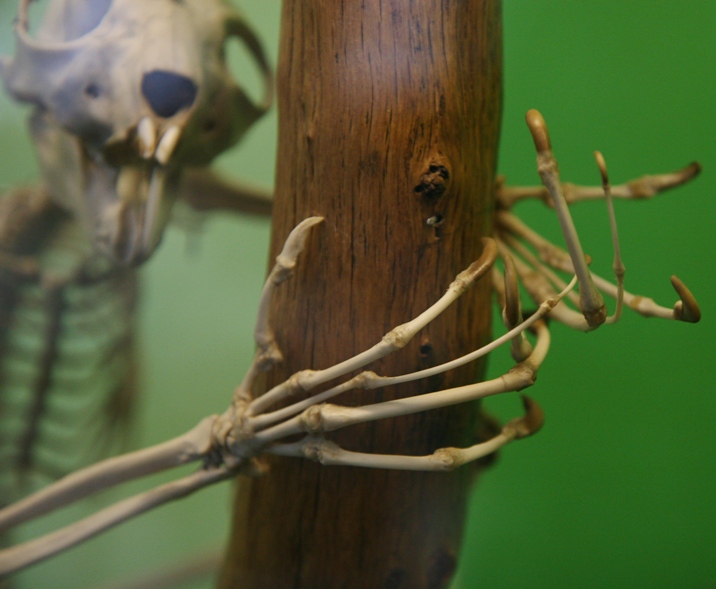
Aye-aye (Daubentonia madagascariensis)
Family: Daubentoniidae
Darwin Safari
Oxford
September 6, 2007
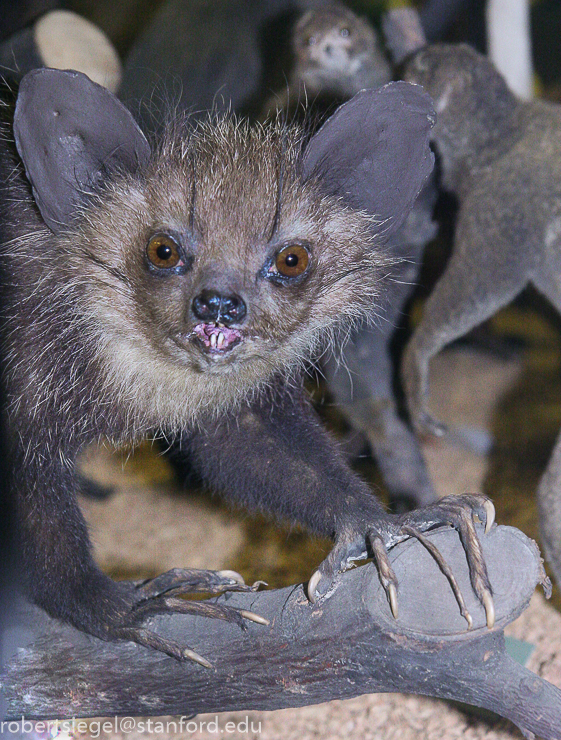
Aye-aye (Daubentonia madagascariensis)
Family: Daubentoniidae
Darwin Safari
Oxford
September 6, 2007
Canon 30D
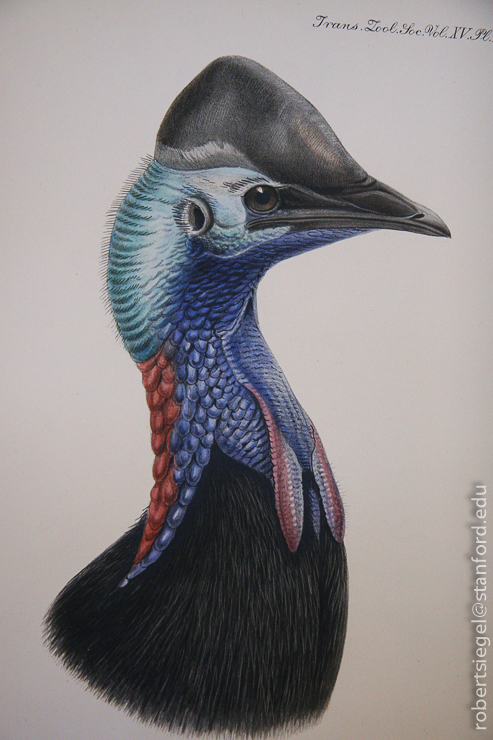
Cassowary
Darwin Safari
September 6, 2007
Canon 30D
Dodo
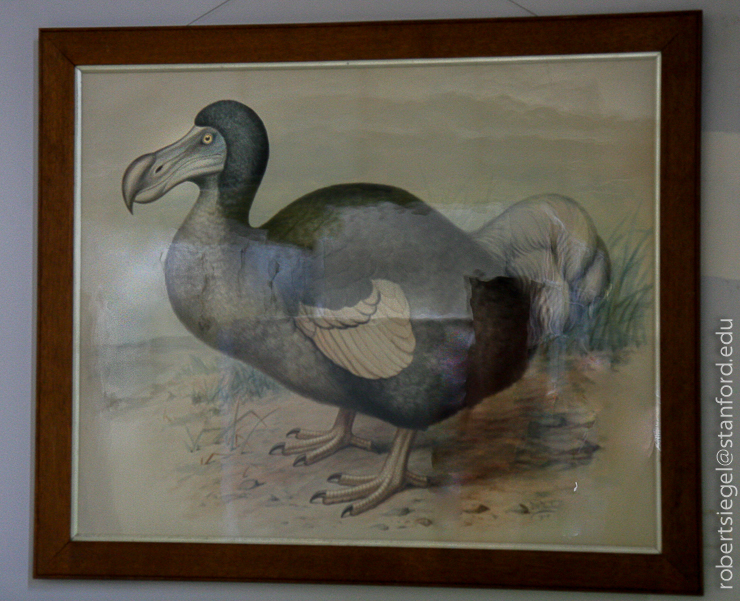
Dodo (Raphus cucullatus)
Darwin Safari
September 6, 2007
Canon 30D
Tring
Darwin's finches / Gould's revelation
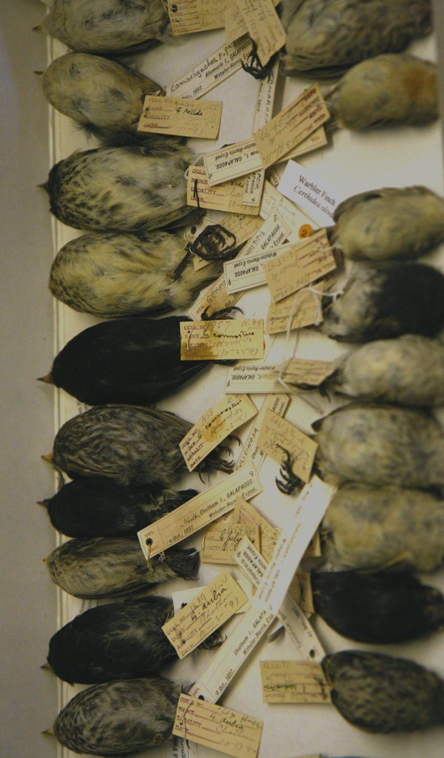
Tring
Darwin Safari
September 6, 2007
Canon 30D
Aye aye captain
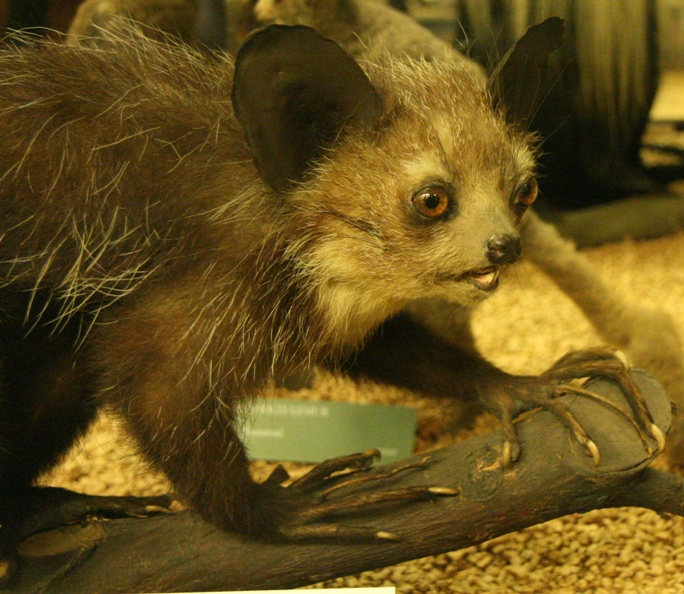
Tring
Darwin Safari
September 6, 2007
Canon 30D
Zoology of the Beagle
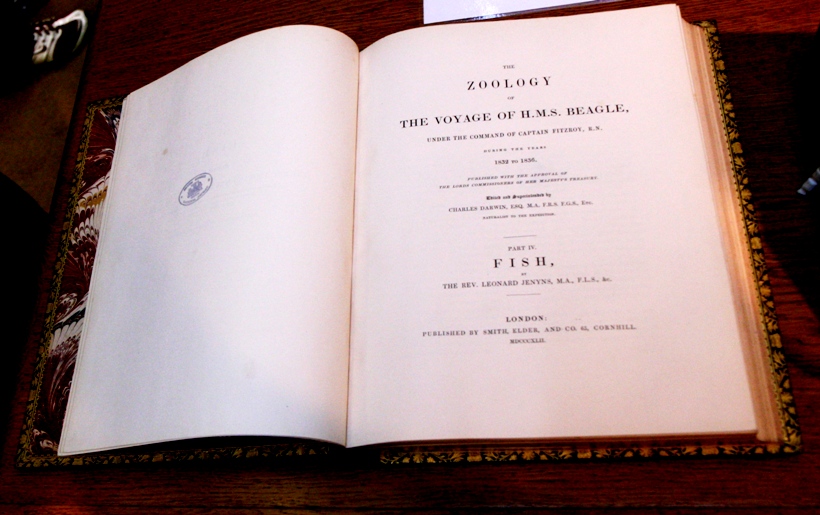
Tring
Darwin Safari
September 6, 2007
Canon 30D
Kew
A kew-ious sense of elation
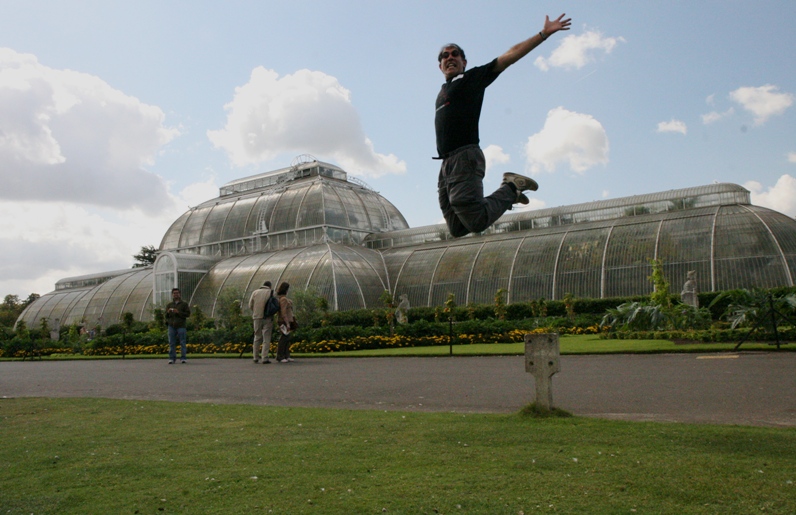
Curly kew
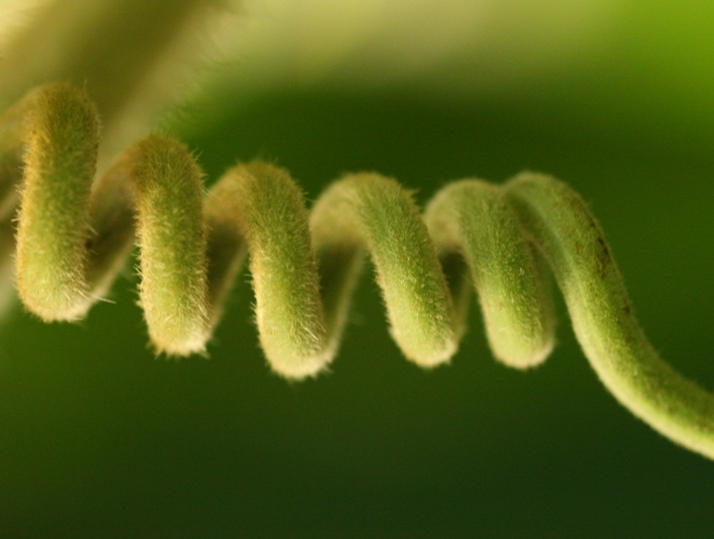
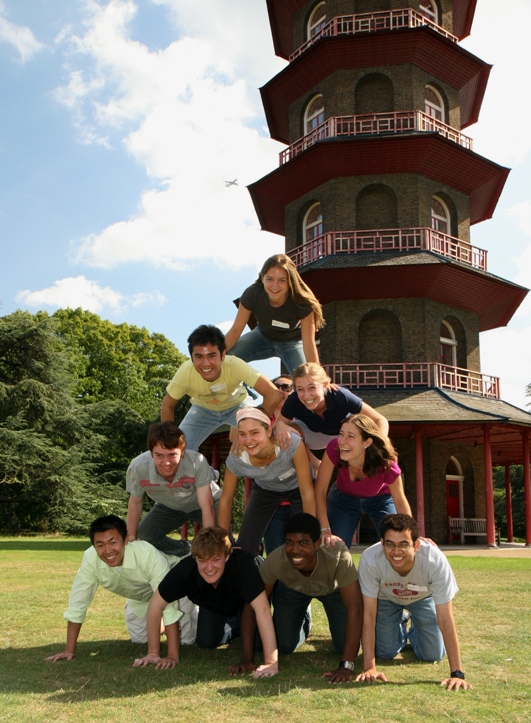
Pyramid scheme
Victoria amazonica
Awaiting a giant frog
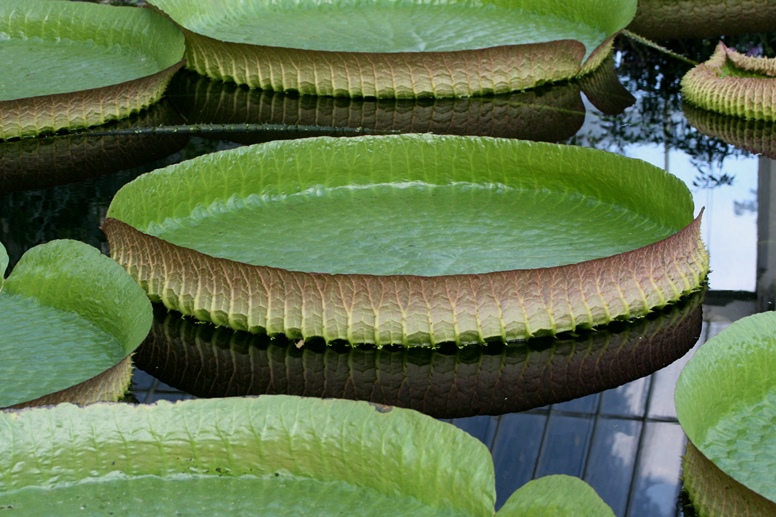
Kew Gardens
England
September, 2007
Infrastructure
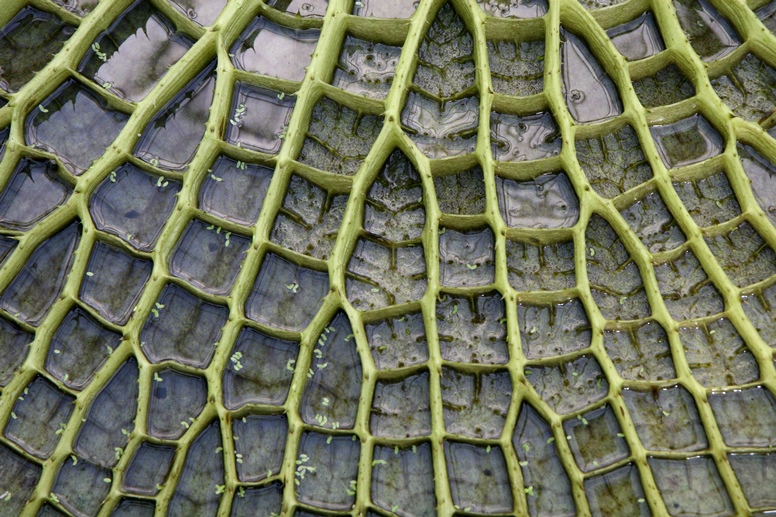
Kew Gardens
England
September, 2007
Giant lily underside - revealed
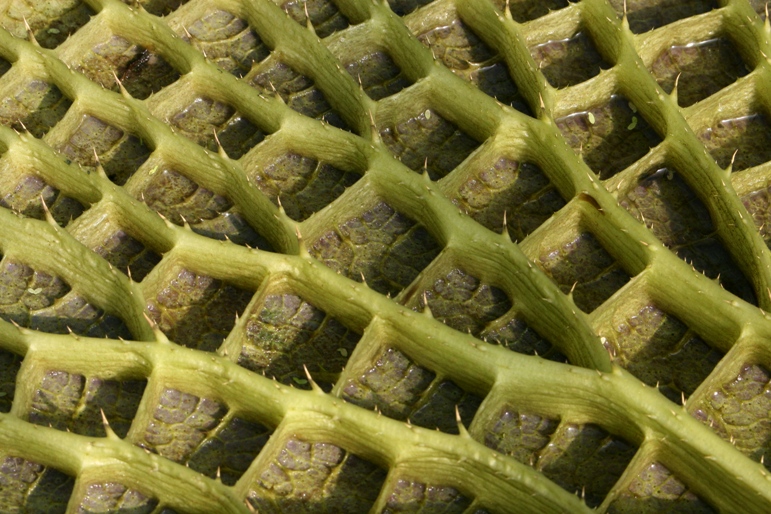
Bar some
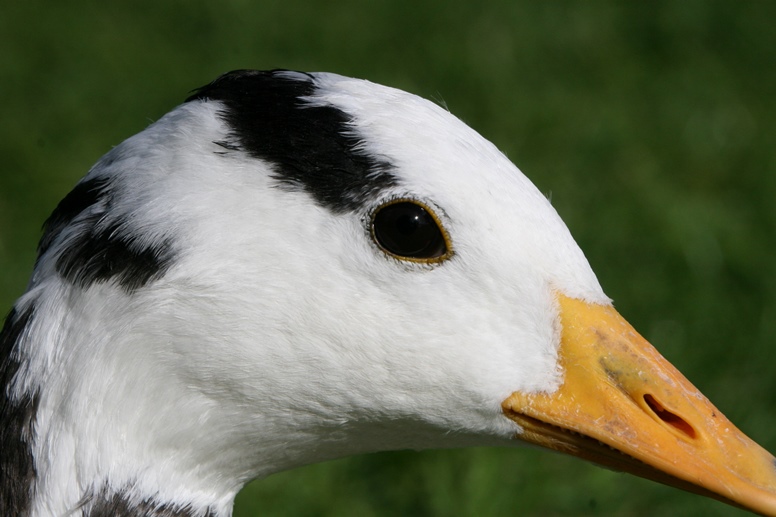
Bar-headed goose (Anser indicus)
Family: Anatidae (duck, geese, swans)
The Darwin Safari
Kew Gardens
September 10, 2007
Canon 30D
White-headed Black-headed
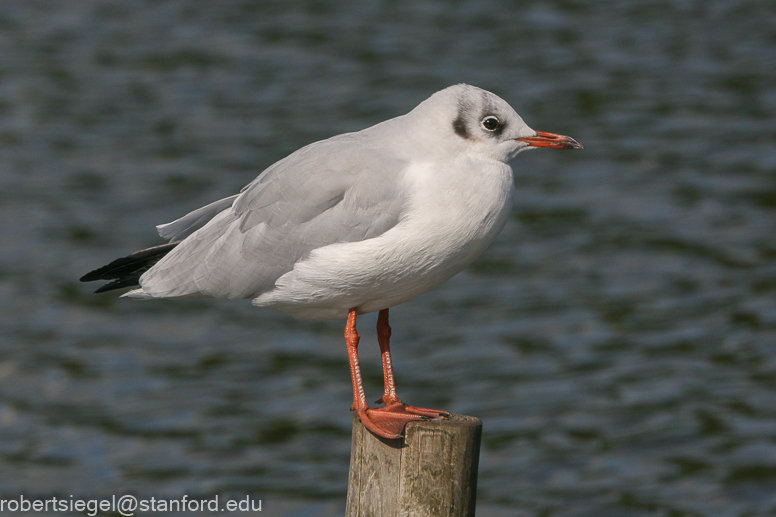
Black-headed gull (Chroicocephalus ridibundus)
Family: Laridae (gulls)
The Darwin Safari
Kew Gardens
September 10, 2007
Canon 30D
Peacock
Indian peafowl ()
Family: ()
The Darwin Safari
Kew Gardens
September 10, 2007
Canon 30D
Muck
The Darwin Safari
Kew Gardens
September 10, 2007
Canon 30D
Nepenthe
Ardisia solanacea
Family: Myrsinaceae
Kew Gardens
Septemebr 10, 2007
Canon 30D
Golden shrimp
Lollipop or Golden shrimp plant Pachystachys lutea)
Kew Gardens
September 10, 2007
Canon 30D
Golden shrimp
Chinese hibiscus )
Kew Gardens
September 10, 2007
Canon 30D
Roarke juggles three biological concepts
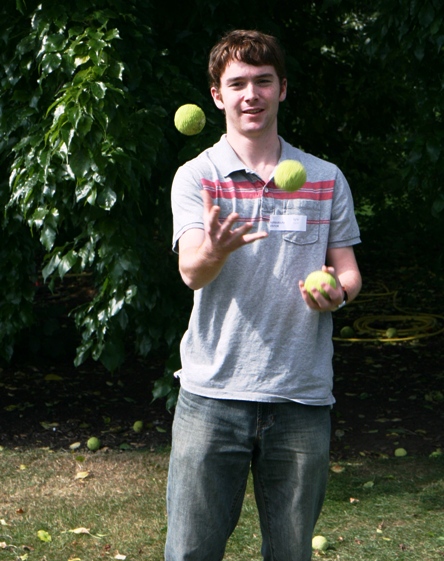
Cambridge
Keynes and Darwin; Fossils, Finches, and Fuegeans
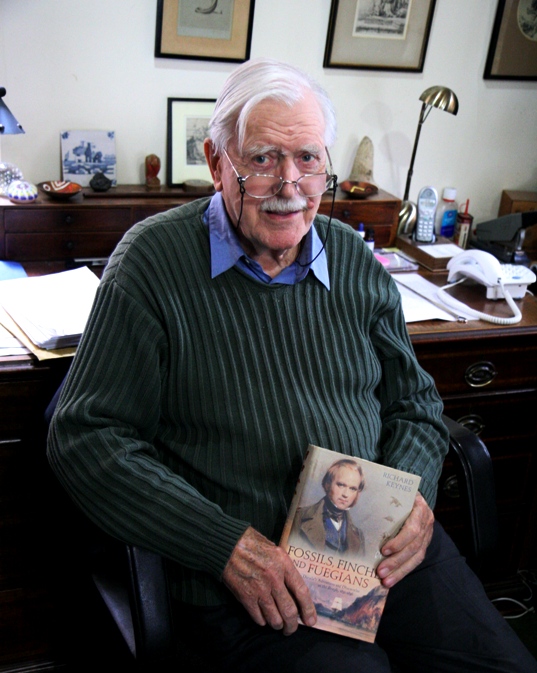
Richard Keynes
The Darwin Safari
Cambridge, England
September 14, 2007
Canon 30D
Richard
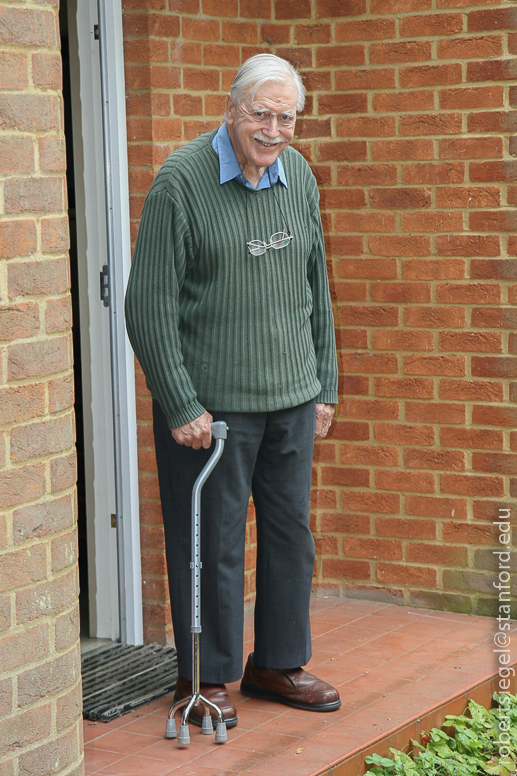
Richard Keynes
The Darwin Safari
Cambridge, England
September 14, 2007
Canon 30D
Richard and Kate
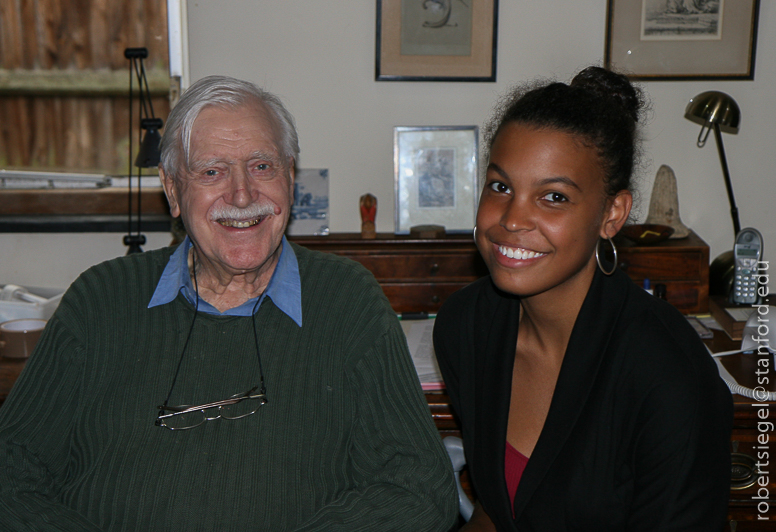
Richard Keynes
The Darwin Safari
Cambridge, England
September 14, 2007
Canon 30D
Richard and Bob
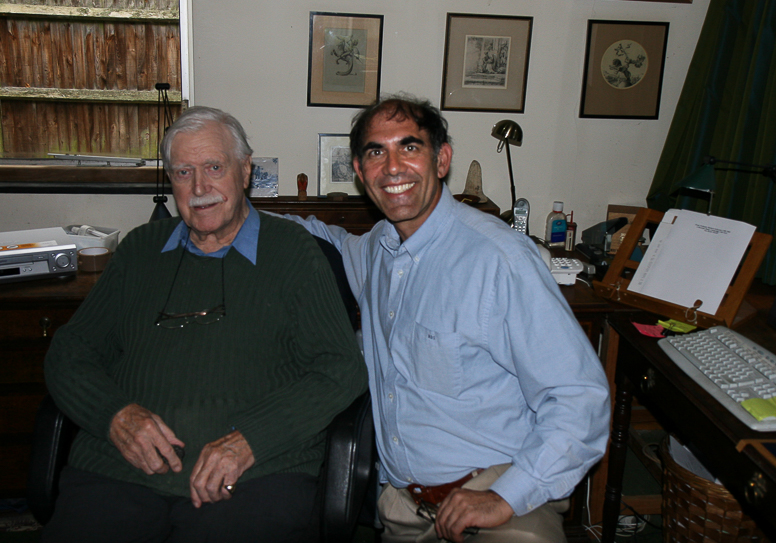
Richard Keynes
The Darwin Safari
Cambridge, England
September 14, 2007
Canon 30D
Kate and manuscript
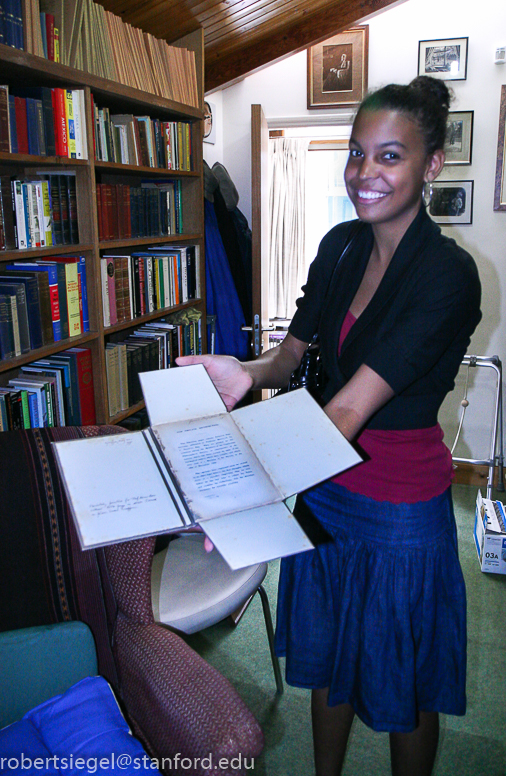
Richard Keynes
The Darwin Safari
Cambridge, England
September 14, 2007
Canon 30D
Richard Keynes' library
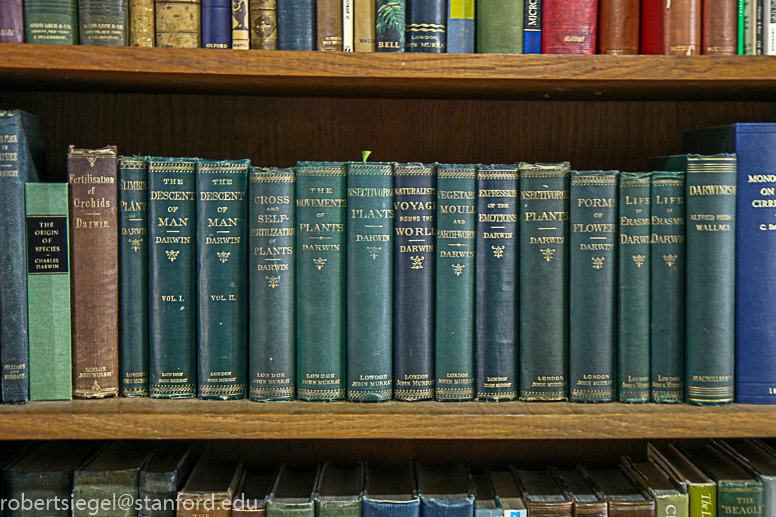
Richard Keynes library
The Darwin Safari
Cambridge, England
September 14, 2007
Canon 30D
Craig and Darwin's octopus
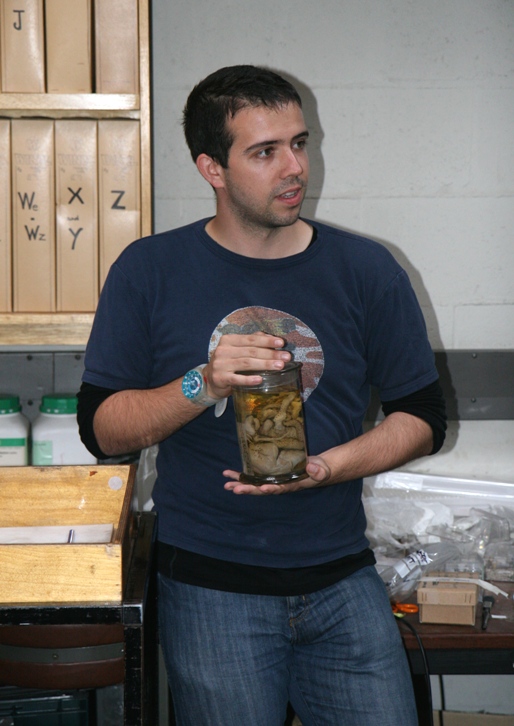
"I was much interested, on several occasions, by watching the habits of an Octopus, or cuttle-fish. Although common in the pools of water left by the retiring tide, these animals were not easily caught. By means of their long arms and suckers, they could drag their bodies into very narrow crevices; and when thus fixed, it required great force to remove them. At other times they darted tail first, with the rapidity of an arrow, from one side of the pool to the other, at the same instant discolouring the water with a dark chestnut-brown ink. These animals also escape detection by a very extraordinary, chameleon-like power of changing their colour. They appear to vary their tints according to the nature of the ground over which they pass: when in deep water, their general shade was brownish purple, but when placed on the land, or in shallow water, this dark tint changed into one of a yellowish green. The colour, examined more carefully, was a French grey, with numerous minute spots of bright yellow: the former of these varied in intensity; the latter entirely disappeared and appeared again by turns. These changes were effected in such a manner, that clouds, varying in tint between a hyacinth red and a chestnut-brown, [4] were continually passing over the body. Any part, being subjected to a slight shock of galvanism, became almost black: a similar effect, but in a less degree, was produced by scratching the skin with a needle. These clouds, or blushes as they may be called, are said to be produced by the alternate expansion and contraction of minute vesicles containing variously coloured fluids."
Charles Darwin The Voyage of the Beagle
University Museum
Cambridge, England
September 14, 2007
Canon D30
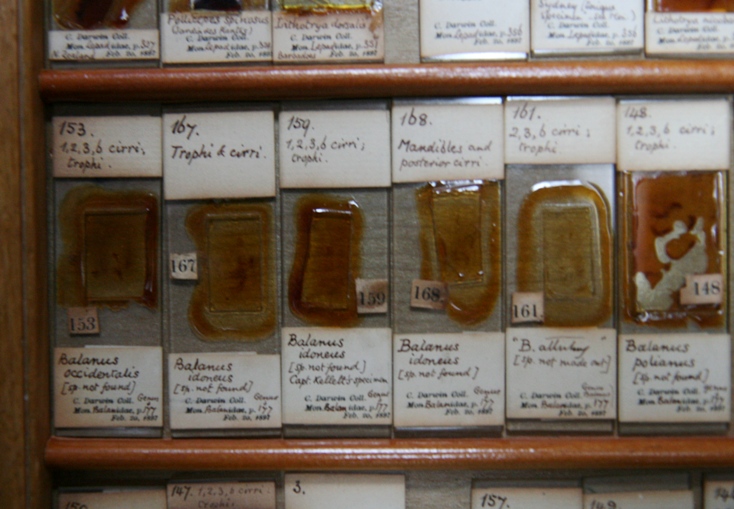
Cirripedia
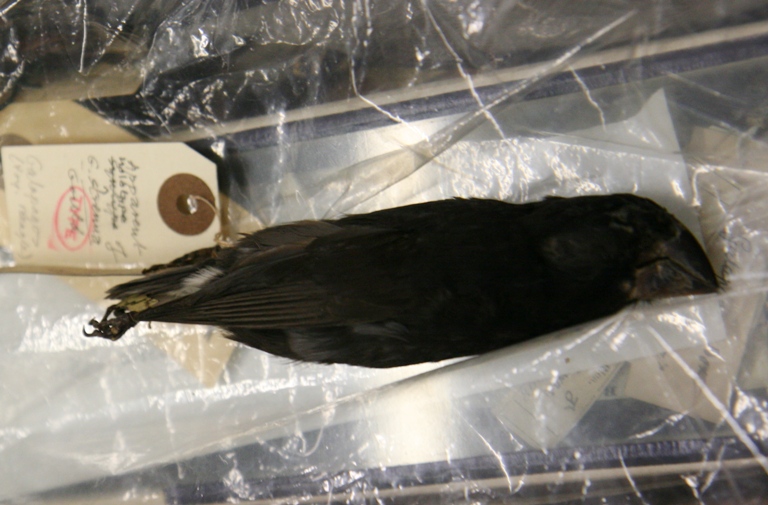
Darwin's finch
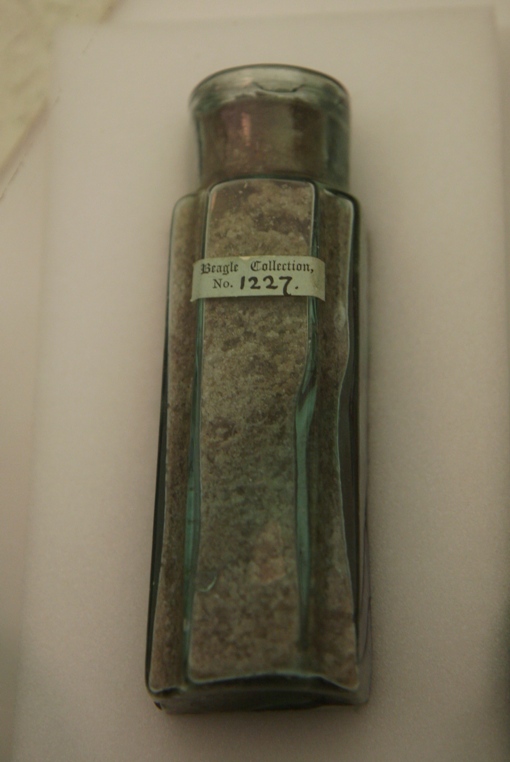
Darwin's last sand?
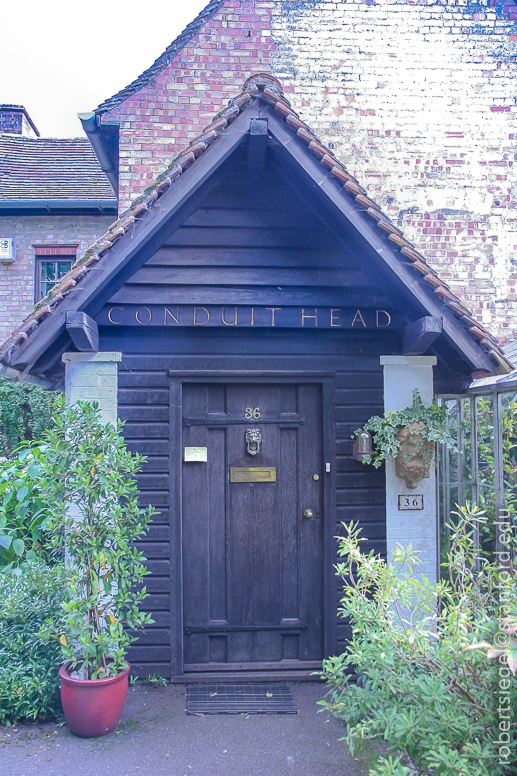
Conduit Head
Conduit Head
Home of Sir Peter Lachmann
Cambridge, England
September 14, 2007
Canon D30
Conduit Head
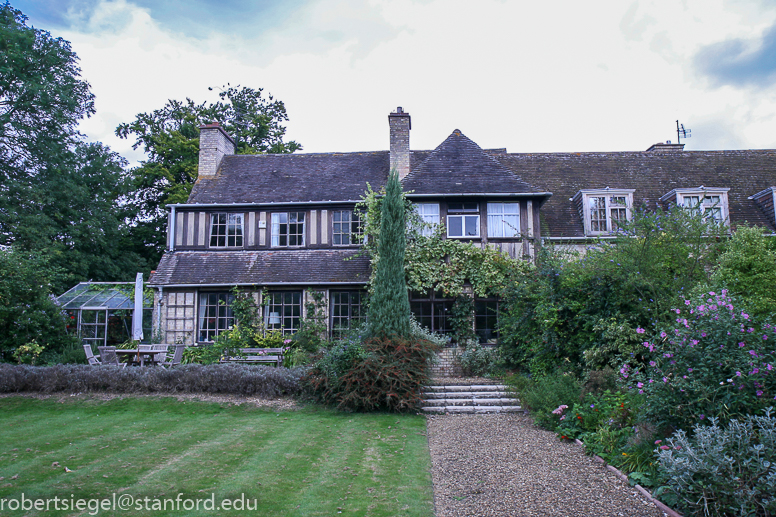
Conduit Head
Home of Sir Peter Lachmann
Cambridge, England
September 14, 2007
Canon D30
Darwin wasafiri at Conduit Head
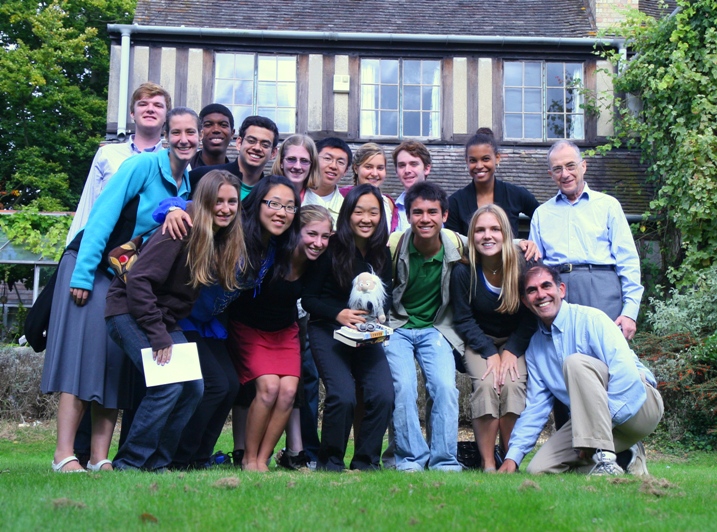
with Sir Peter Lachmann
Conduit Head
Cambridge, England
September 14, 2007
Canon D30
Sir Peter Lachmann presents Christ's College, Darwin presides from above
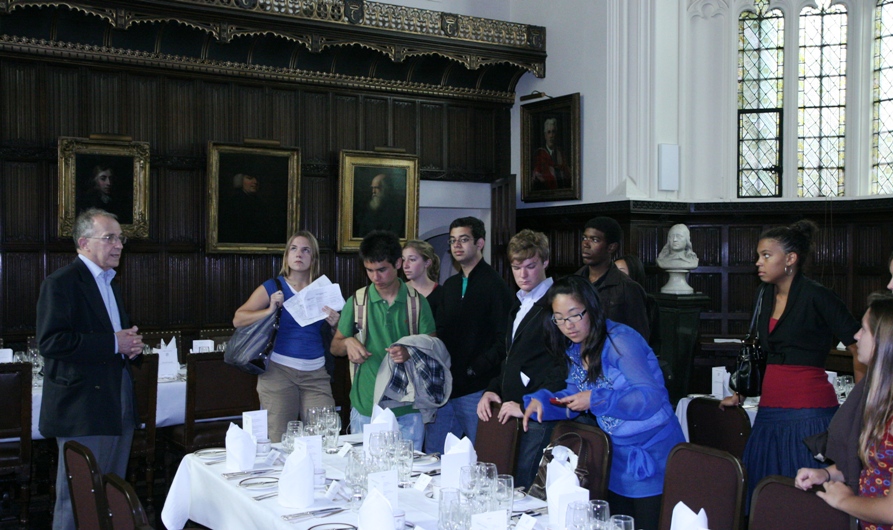
with Sir Peter Lachmann
Christ's College
Cambridge, England
September 14, 2007
Canon D30
Barnacles, Darwin, Stott, and Siegel
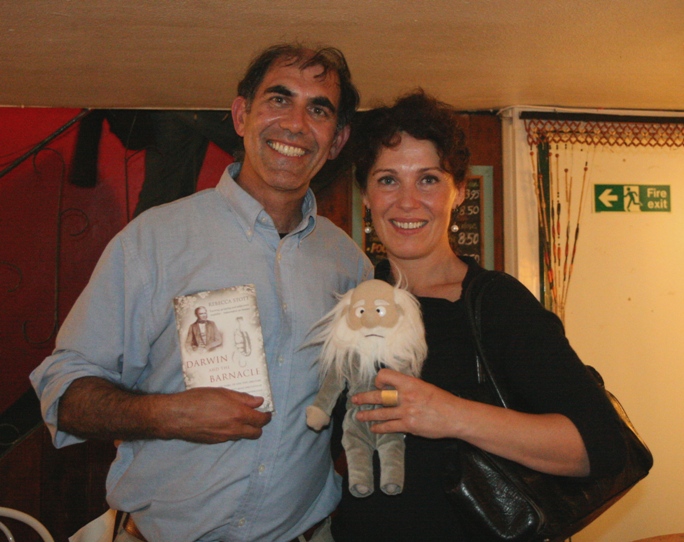
with Rebecca Stott
Cambridge, England
September 14, 2007
Canon D30
London
The great and the great great
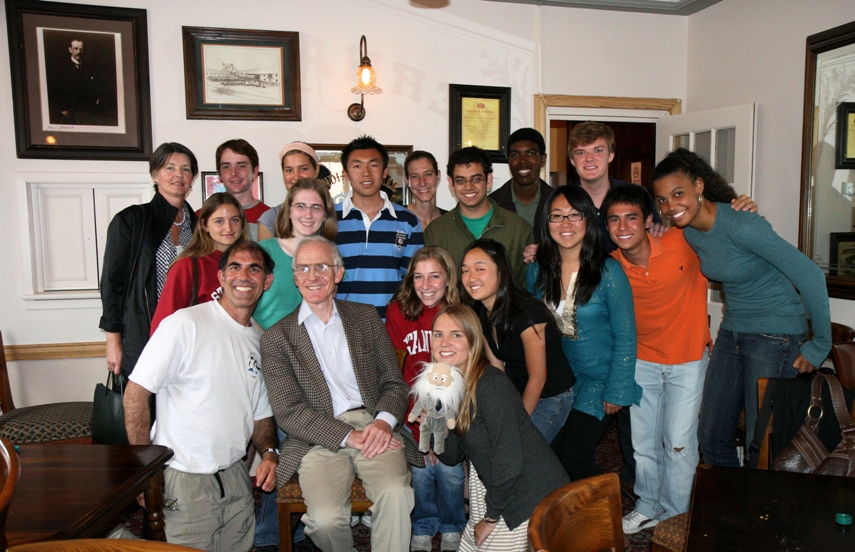
Randal Keynes
London, England
Canon D30
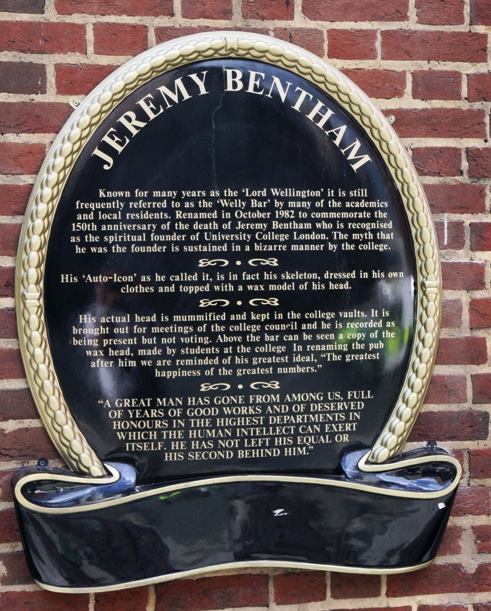
We went to the Jeremy Bentham Pub and stuffed ourselves
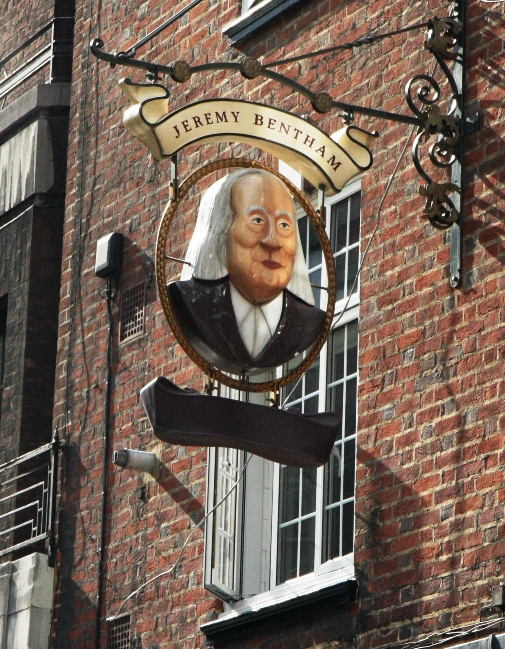
Apparently, Jeremy did as well...
There is a self-portrait of the photographer on the left-hand side
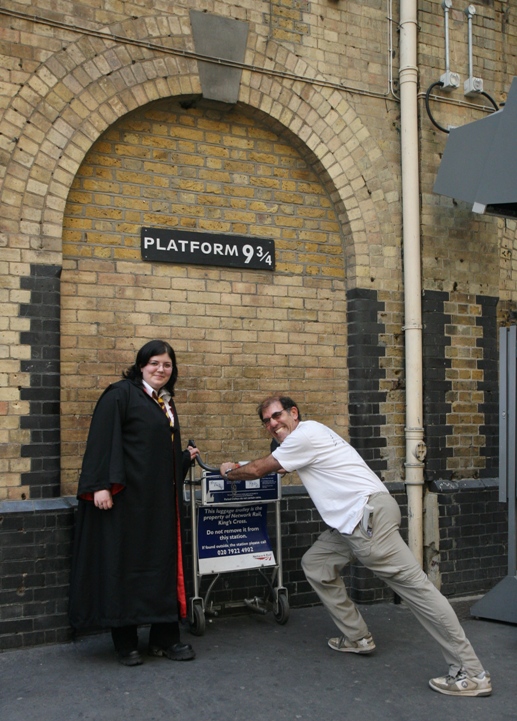
Platform Potter
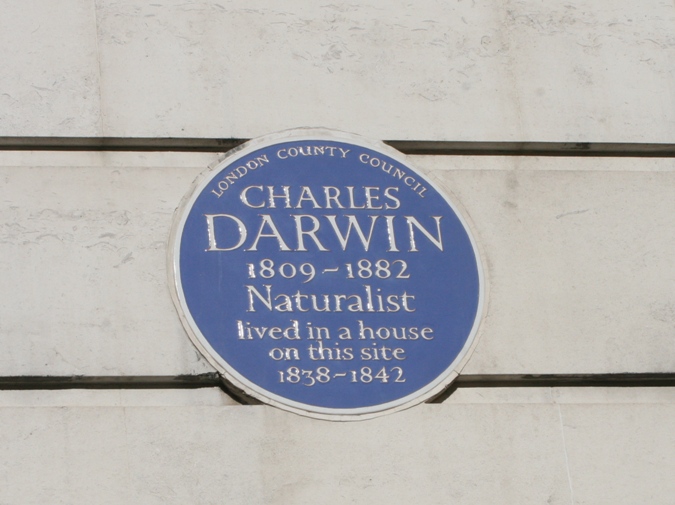
Upper Gower residence - 1838 - 1842
Darwin Safari
London
September 10, 2007
Canon 30D
Darwin Building Gower Street
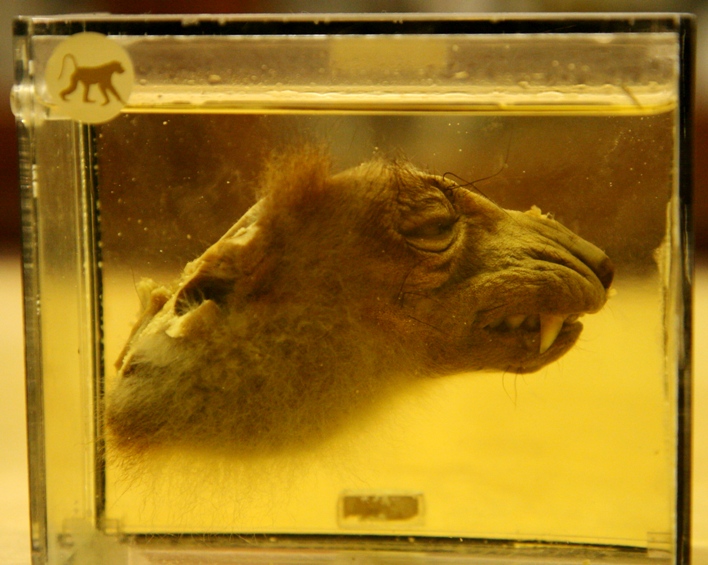
Head lemur, Grant Museum, Gower Street
St Pancras and the devil's sky
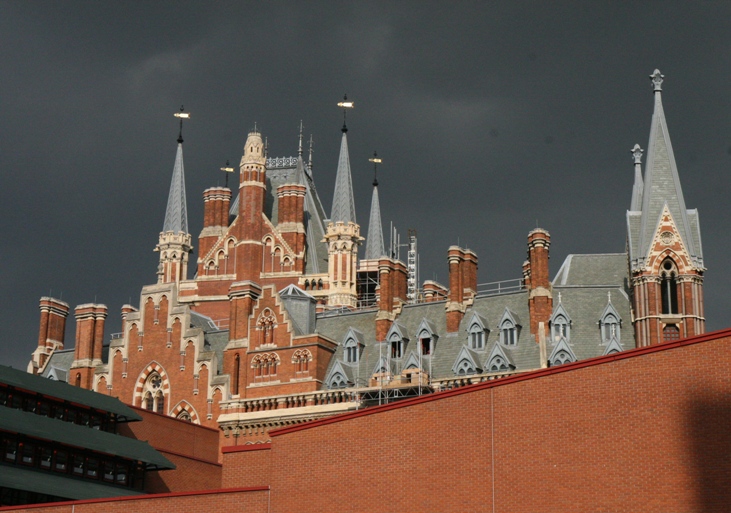
And who would name their church after an organ, anyway?
London color
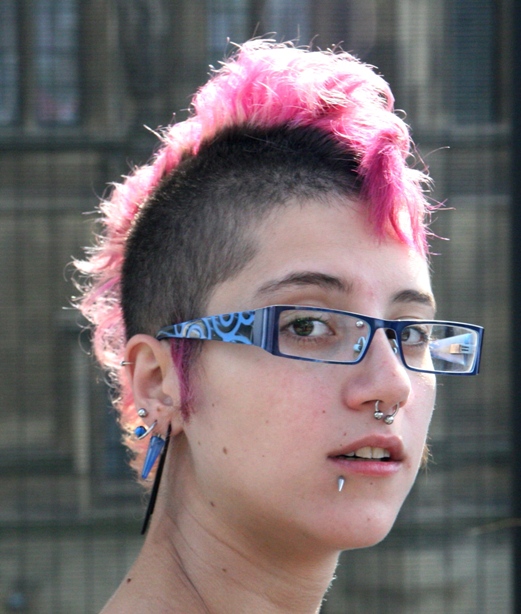
Natural History Museum, London
Charles x 2
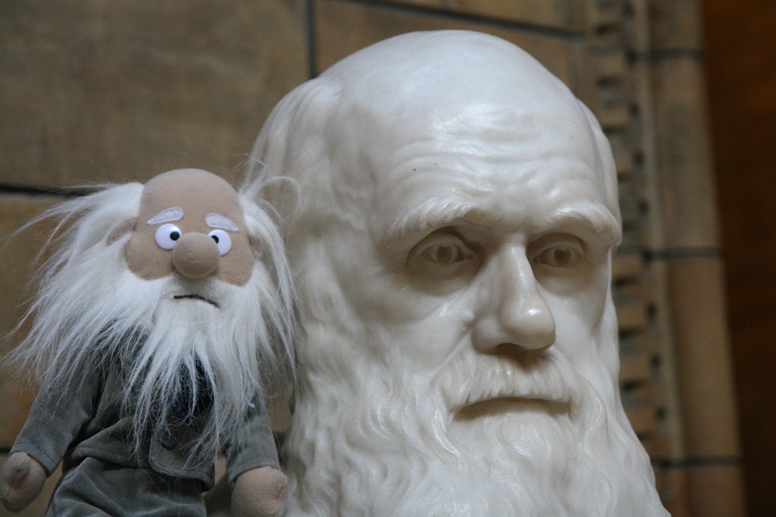
Natural History Museum
London
Darwin and Huxley
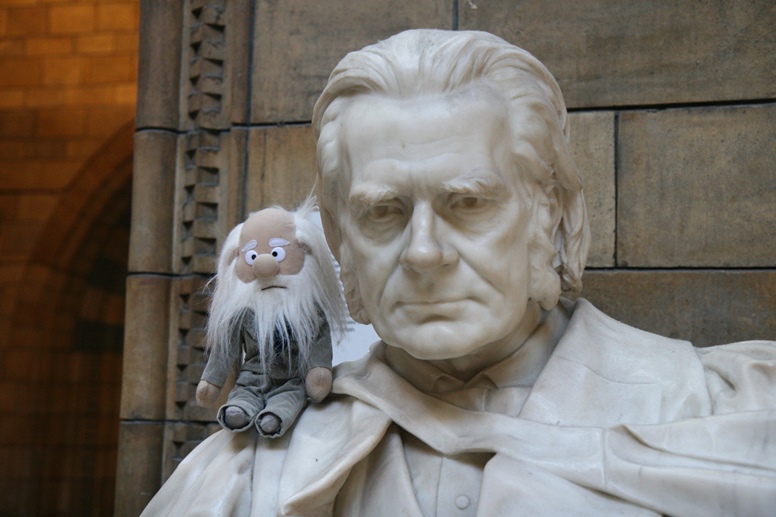
Natural History Museum
London
Natural History Museum
London
Leaf-cutter
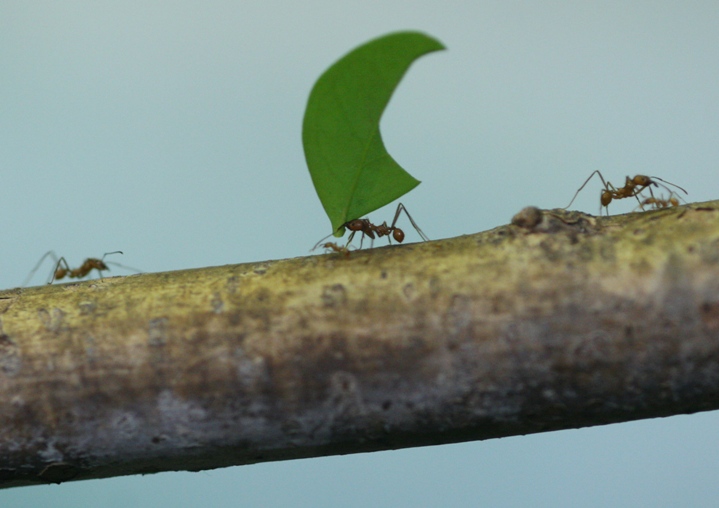
Leaf-cutter ants
Natural History Museum
London
Elephant bird egg - Natural History Museum
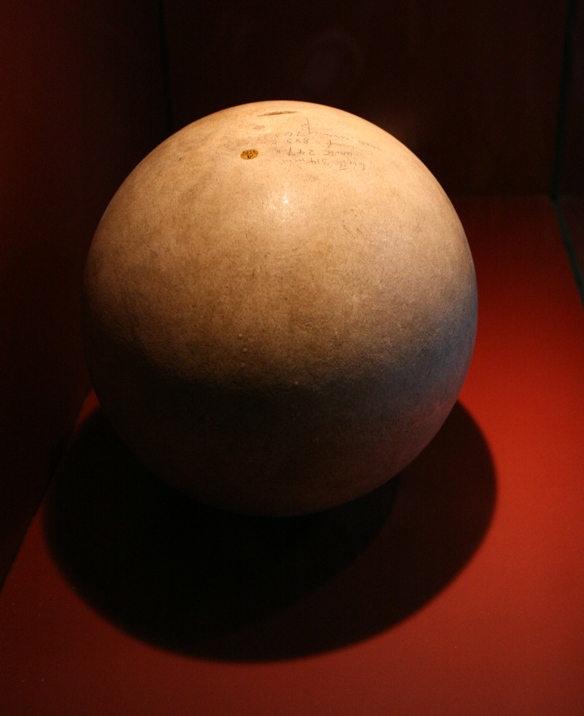
This egg is humongous even in comparison with an ostrich egg. The egg is from an extinct species of birds that inhabited Madagascar.
Natural History Museum
London
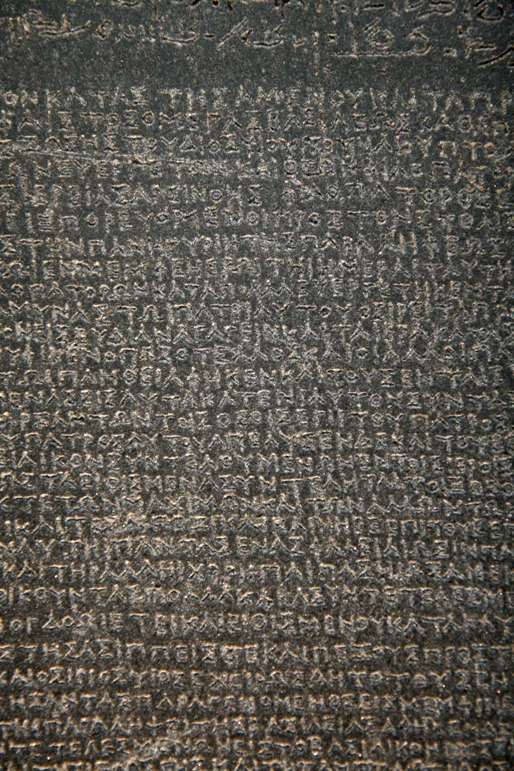
Deciphering Bob
self reflection in the Rosetta Stone
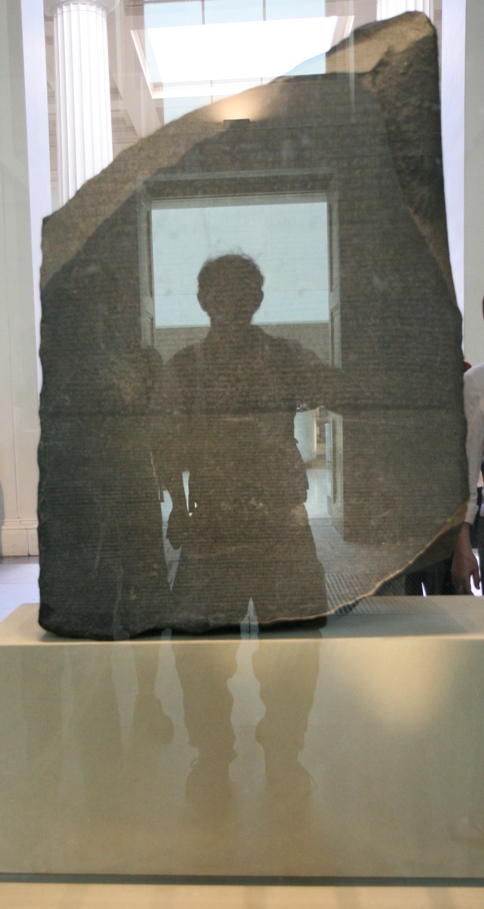
Greek to me?
British Museum
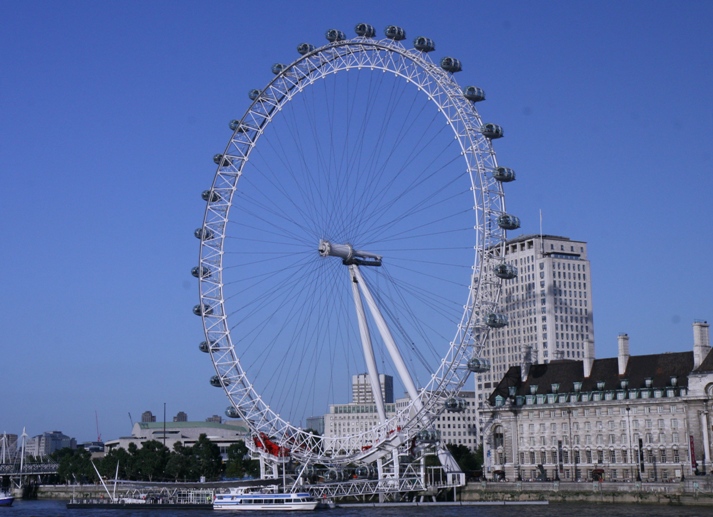
The eye, the eye
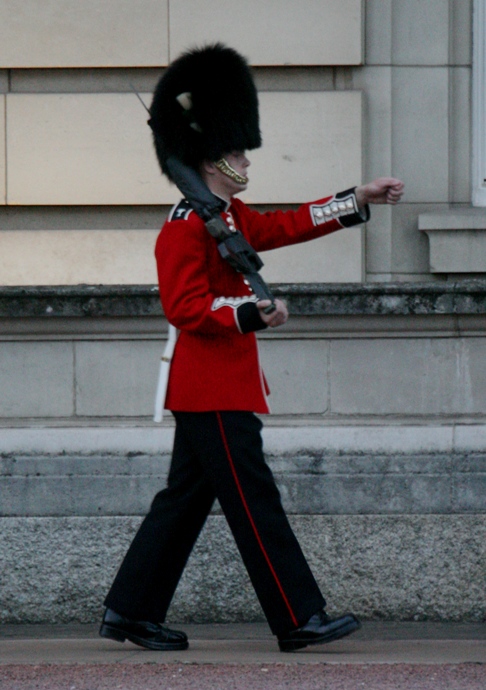
Palatial perambulation
Down House
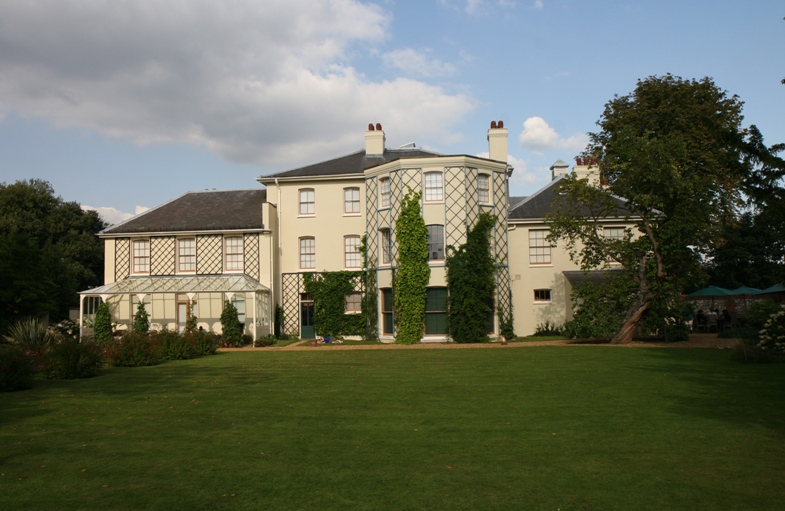
Down House
England
Darwin Safari
2007
Studying Darwin's study
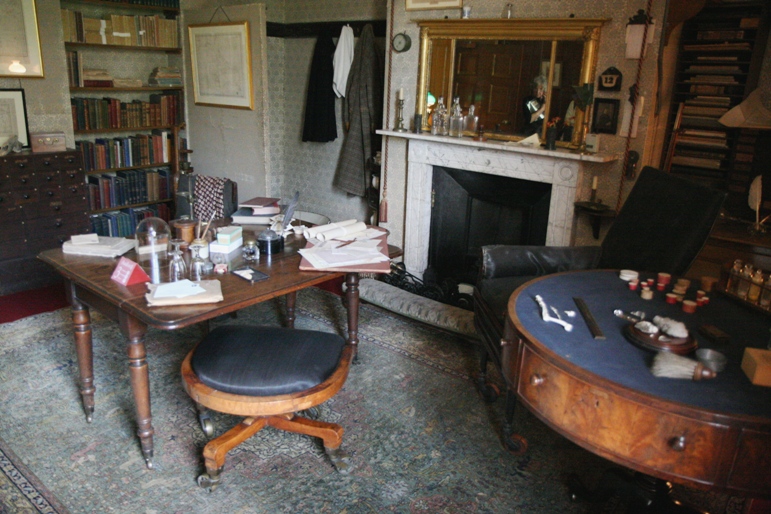
Down House
England
Darwin Safari
2007
Students mirror Darwin's life at Down
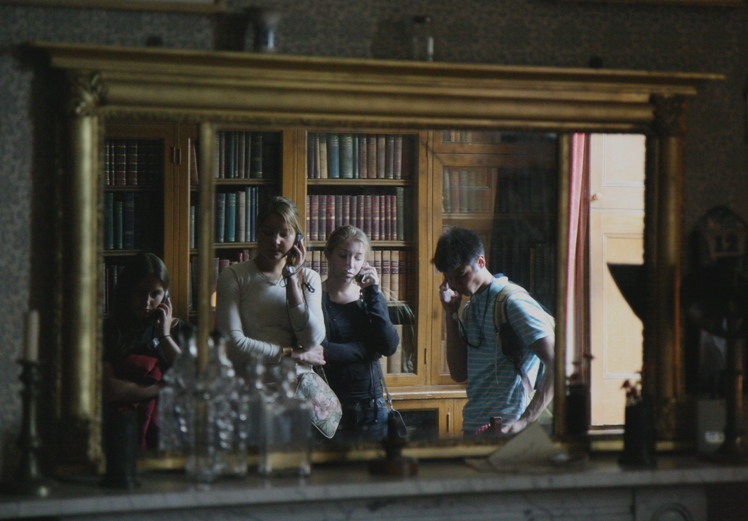
Down House
England
Darwin Safari
2007
The sandwalk
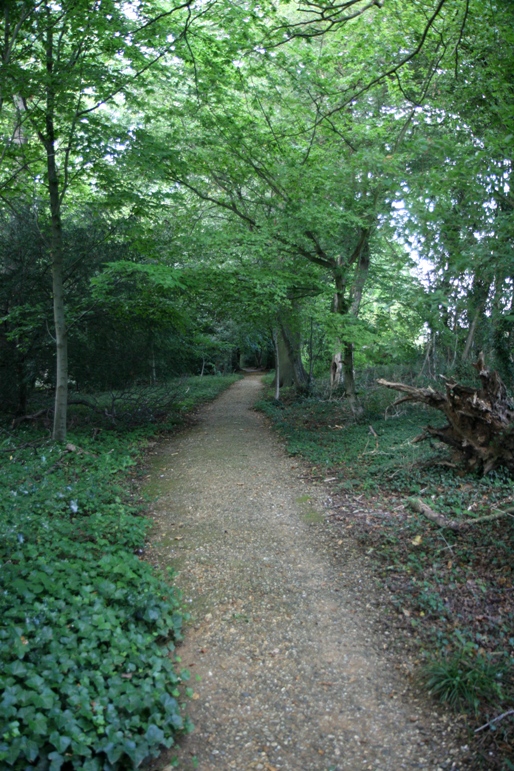
Down House
England
Darwin Safari
2007
Darwin studies terrestial worming
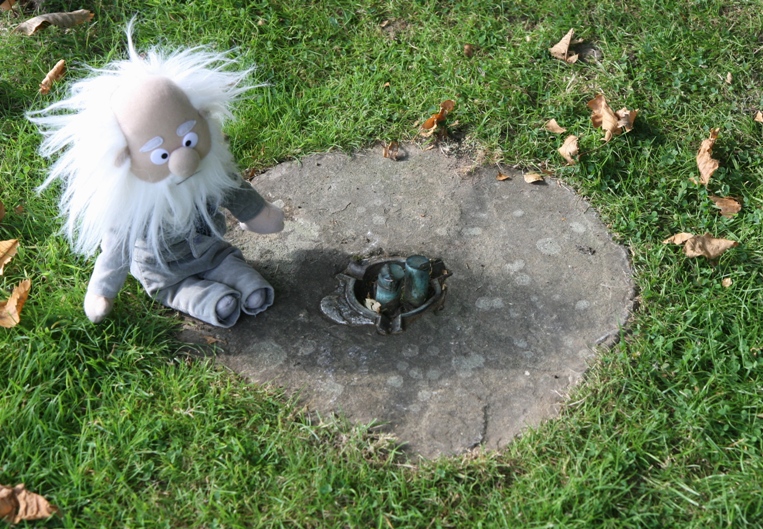
Down House
England
Darwin Safari
2007
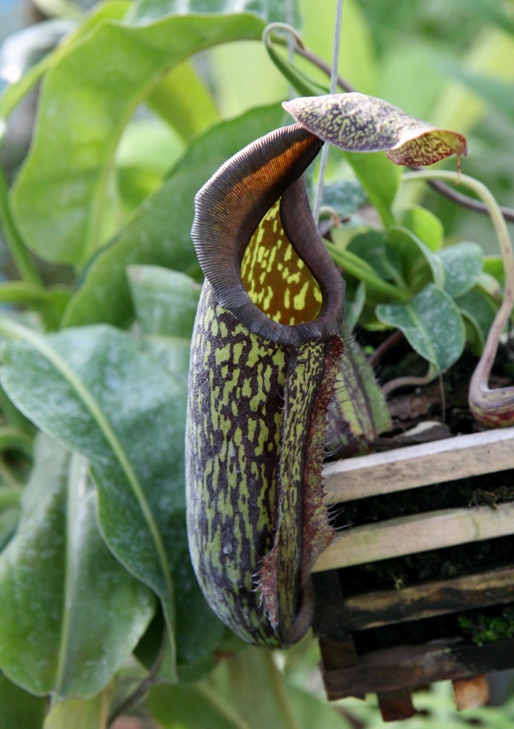
Darwin's nepenthe
Down House
England
Darwin Safari
2007
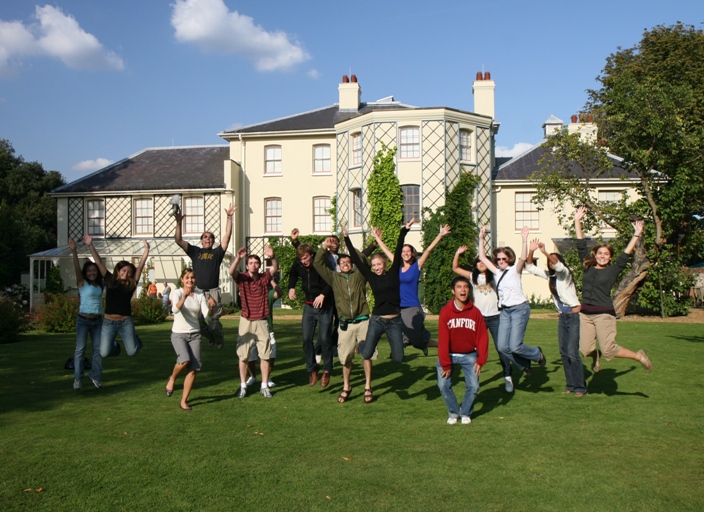
Uncoordinated exuberance at Down House
Down House
England
Darwin Safari
2007
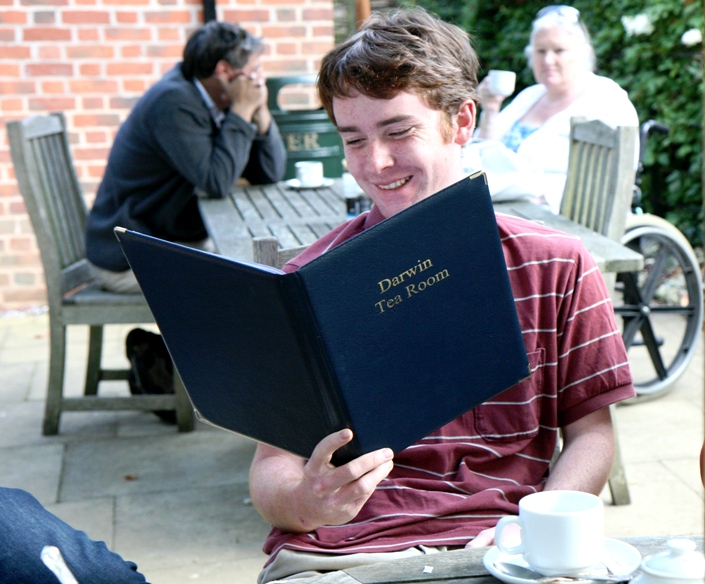
Following Darwin to the T.
Down House
England
Darwin Safari
2007
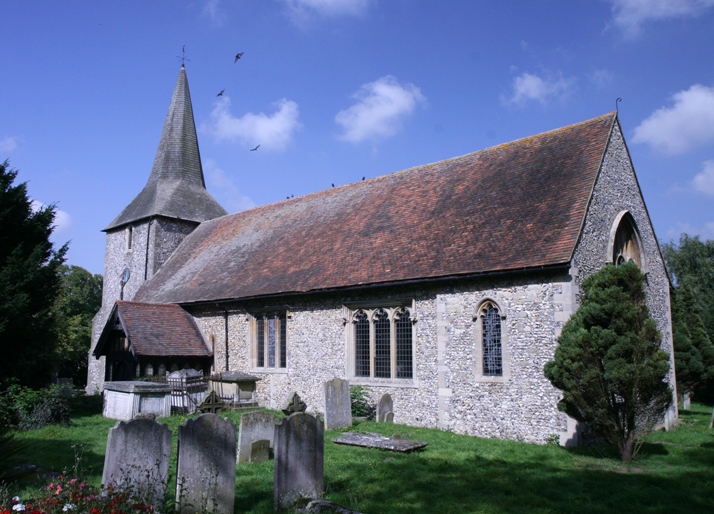
St. Mary's Church, Downe
St. Mary's Church, Downe
England
Darwin Safari
2007
Darwin family tomb
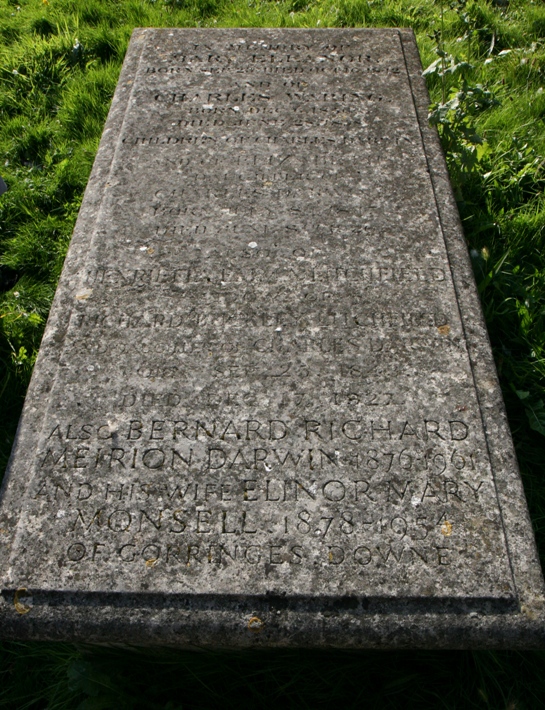
St. Mary's Church, Downe
England
Darwin Safari
2007
Malvern
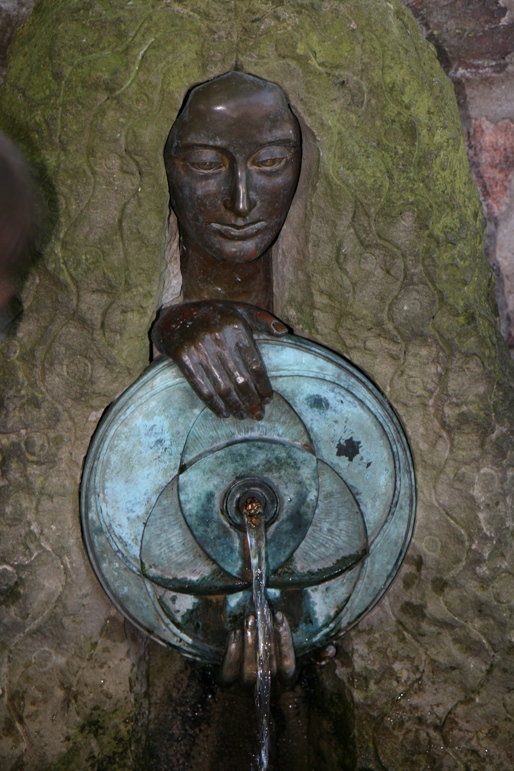
Malvern is where Darwin took Dr Gully's "water cure". It is also where his eldest daughter Annie died. At this point, Darwin apparent lost his last vestige of belief in a benevolent god.
A dear and good child
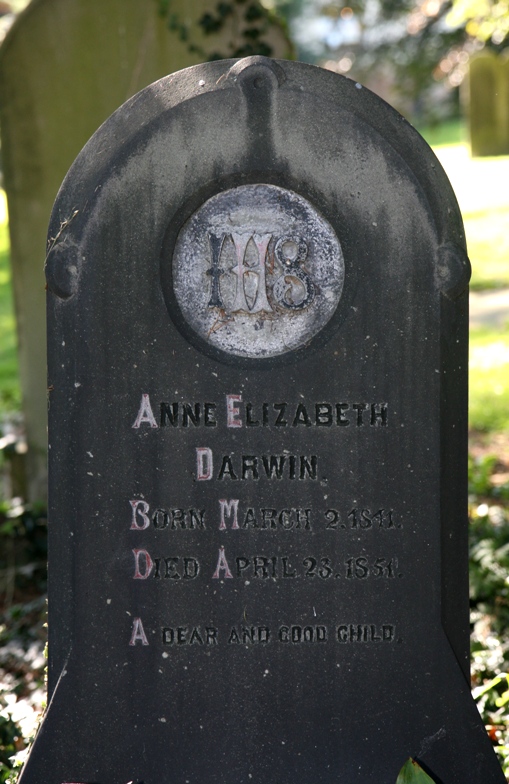
Mourning Annie
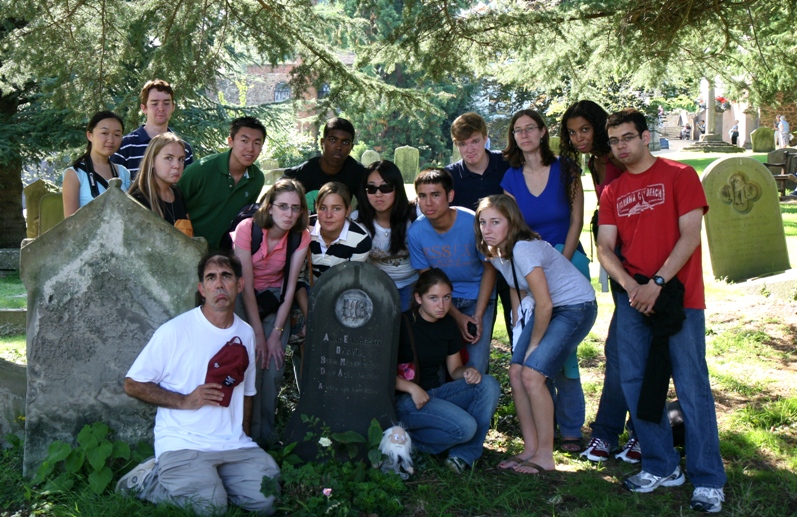
Despite its purity, the Malvern water is associated with plaque
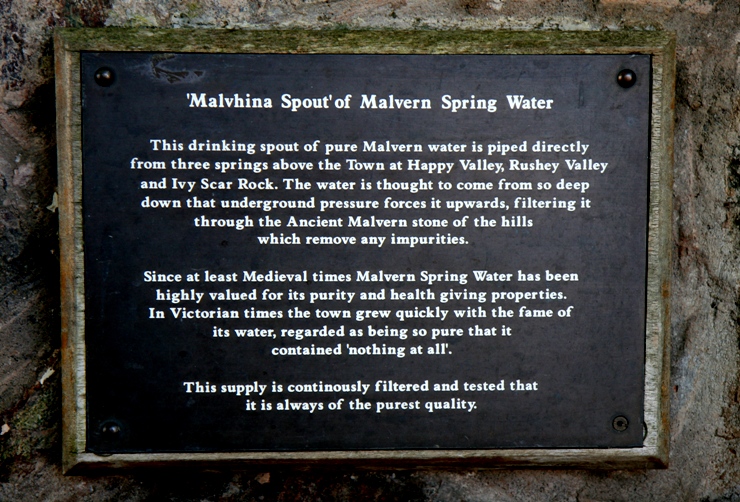
Font of health
Laid to rest
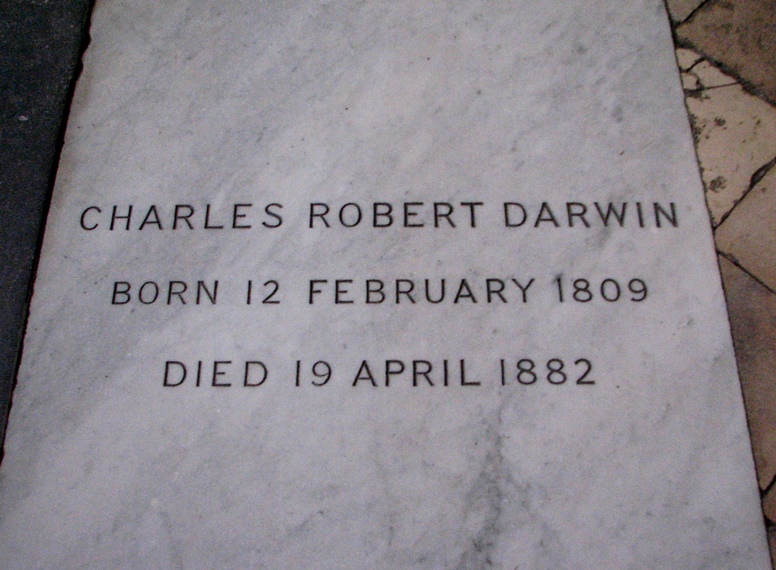
Westminster Cathedrale
"Under Newton"
Speke obelisk
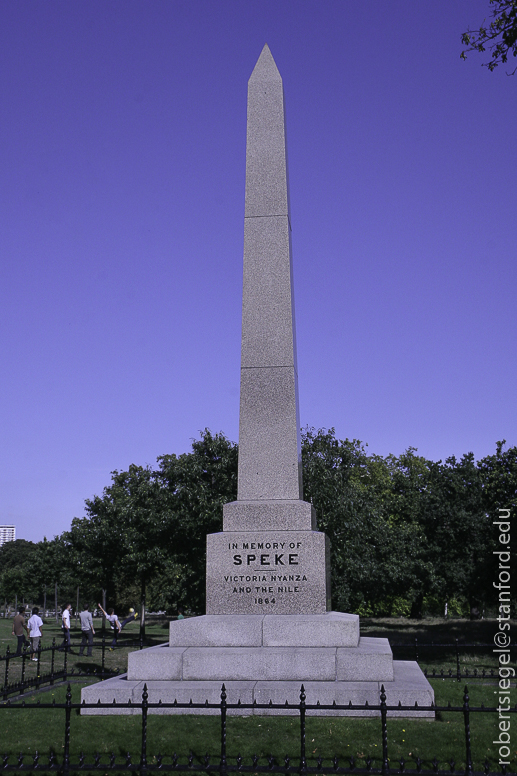
Obelisks
Darwin Safari
London
September 11, 2007
Canon 30D
In London
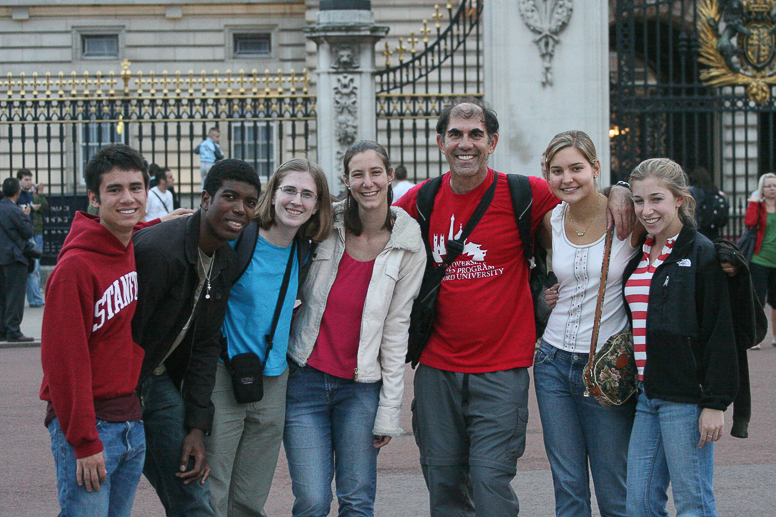
Darwin Safari
London
September 9, 2007
Canon 30D
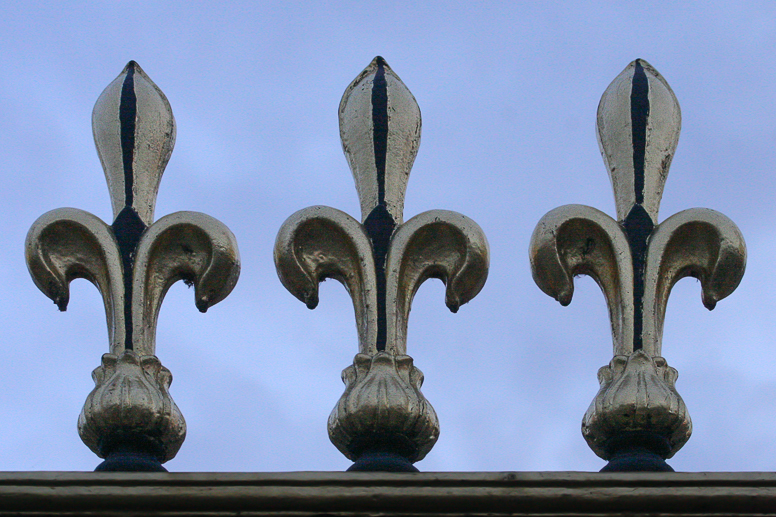
Fence top
Darwin Safari
London
September 9, 2007
Canon 30D
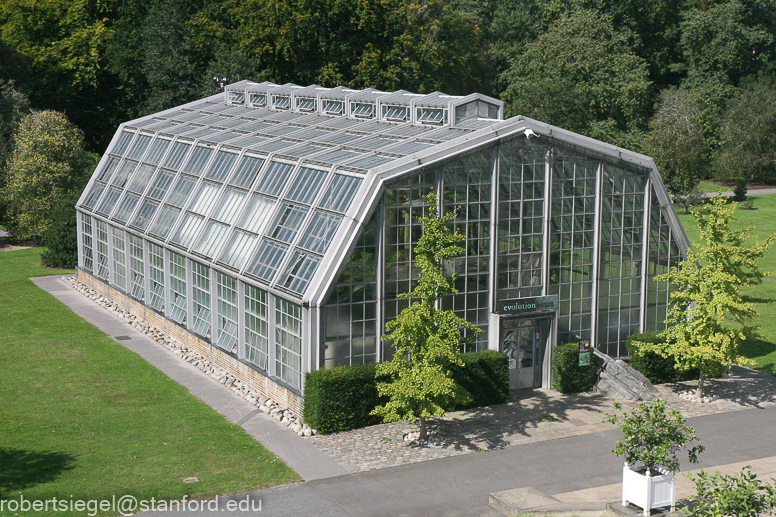
Evolution greenhouse
Greenhouse
Darwin Safari
Kew Royal Botanical Gardens
September 10, 2007
Canon 30D
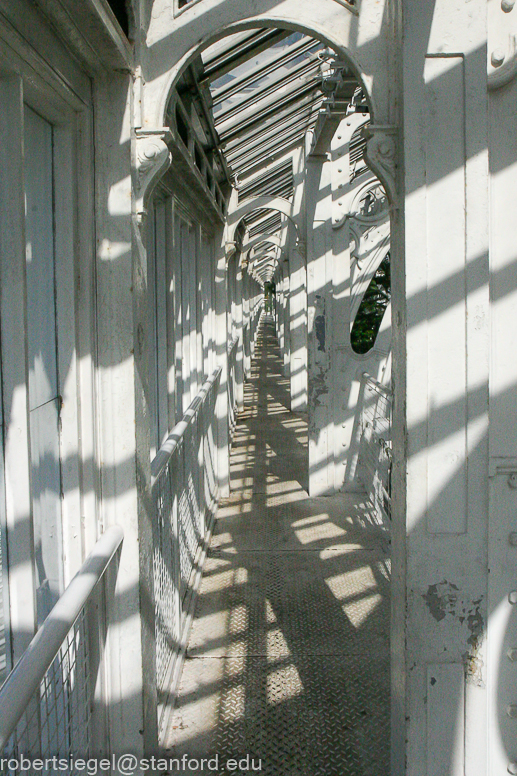
Greenhouse walk
Greenhouse
Darwin Safari
Kew Royal Botanical Gardens
September 10, 2007
Canon 30D
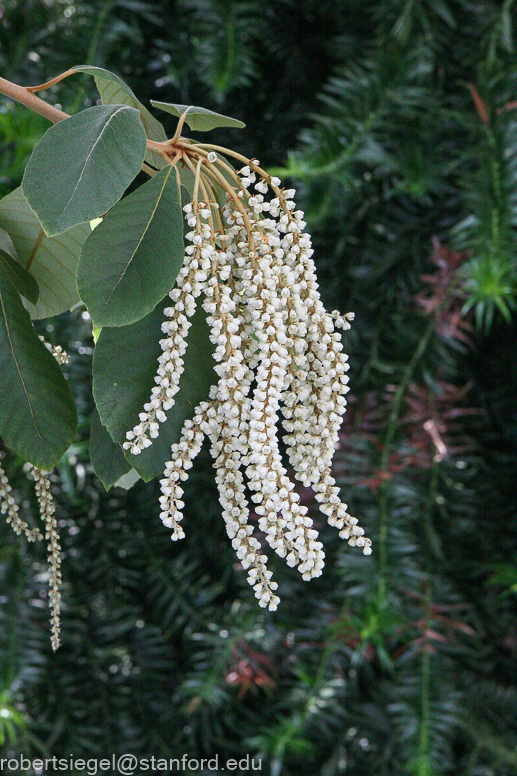
White flowers on kew
Darwin Safari
Kew Royal Botanical Gardens
September 10, 2007
Canon 30D
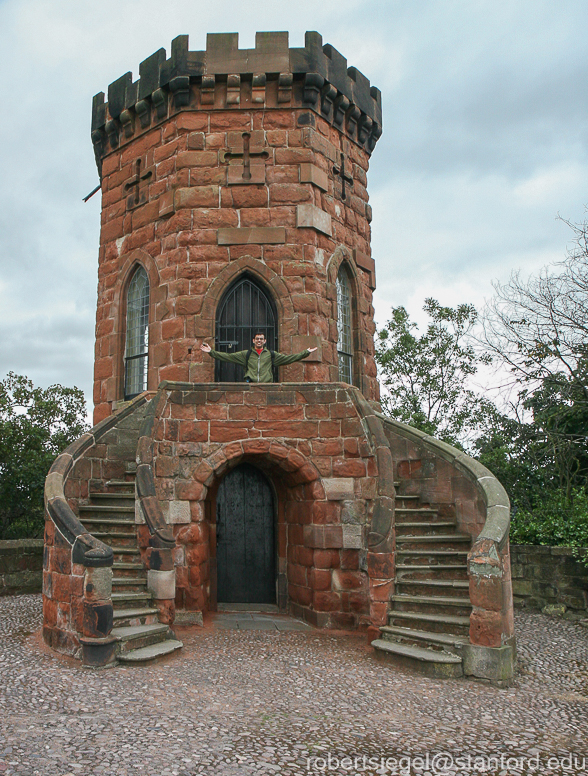
Sagar castled
Darwin Safari
Oxford
August 27, 2007
Canon 30D
Journal of researches in geology and natural history
Darwin Safari
London
September 10, 2007
Canon 30D
Darwin Safari
London
September 10, 2007
Canon 30D
Acknowledgements:
The Darwin Safari was sponsored through the generous and helpful efforts of the Bing Overseas Studies Program at Stanford.
Many people helped to this seminar to evolve. The planning and execution phase included consultations with Bob Stephens, Geoffrey Heller, Bill Durham, Kathleen Rochester, Martin Cheek, Carlos Seligo, Lucy Horton, Heather Narciso, Michelle Silver, and Jenna Coalson.
Jenny Gowers and John Chao at BOSP consistently went the extra mile.
I want to acknowledge my real family for putting up with my peregrinations and my home stay family for putting me up.
While on safari, our mission was aided and abetted by an impressive array of Darwinophiles and experts, scientists and naturalists, librarians and archivists, historian and authors, docents and clergy. Among these were:
 Peter Boyd (Shrewsbury),
Jon King (Shrewsbury),
Randal Keynes (London),
Rebecca Stott (Cambridge),
Sir Peter and Sylvia Lachmann (Cambridge),
Geoffrey Tyack (Oxford),
Alan Paton (Kew),
Joyce Camber (Downe),
Rebecca Stott (Cambridge),
Karen Goldie-Morrison (London, Downe),
Liz Etheridge (Snowdon),
Jack Ashby (London),
David Hughson (Edinburgh),
Kiri Ross-Jones,
Mathew Lowe (Cambridge),
Craig Buckley (Cambridge),
Steve Laurie (Cambridge),
Suzy Antoniw (Cambridge),
Richard and Anne Keynes (Cambridge),
and many others.
Peter Boyd (Shrewsbury),
Jon King (Shrewsbury),
Randal Keynes (London),
Rebecca Stott (Cambridge),
Sir Peter and Sylvia Lachmann (Cambridge),
Geoffrey Tyack (Oxford),
Alan Paton (Kew),
Joyce Camber (Downe),
Rebecca Stott (Cambridge),
Karen Goldie-Morrison (London, Downe),
Liz Etheridge (Snowdon),
Jack Ashby (London),
David Hughson (Edinburgh),
Kiri Ross-Jones,
Mathew Lowe (Cambridge),
Craig Buckley (Cambridge),
Steve Laurie (Cambridge),
Suzy Antoniw (Cambridge),
Richard and Anne Keynes (Cambridge),
and many others.
Of course, I am grateful to the actual Darwin wasafiri, who made this an experience of a life-time:
-
Sagar Bapat (often last but never least)
Paul Craft
Joy Henry
Lauren Higdon
Roarke Kamber
Julie Kim
Kathryn Ludwig
Chad Sitgraves
Alex Song
Anne Stake
Rebecca Tisdale
Erika Williams
Joshua Wong
Dani Zhao
Becca Sorenson
- and, of course,
Robbie Torney (who, while not physically with us in Great Britain,
was definitely with us in spirit - brassica, solanum, flying spaghetti monster, and all).
Finally, I would like to acknowledge the extraordinary efforts of several people without whom there would be no Darwin Safari.
-
Anja Seitz
Stephanie Williams
- and most especially
Becca Sorenson (my intrepid TA) were tireless in their efforts to plan, anticipate, and
solve every contingency.
Thanks!
Itinerary - in progress
Darwin Safari Itinerary - August 24, 2007 - September, 2007
 August 24, 2007 Friday - Day 1 - Oxford
- Students arrive in Oxford
- First meeting: welcome, group dinner
August 25, 2007 Saturday - Day 2 - Oxford - Malvern - Shrewsbury
- Leave Oxford
- Malvern Shrewbury
- Meet homestay families
- Malvern Shrewbury
August 26, 2007 Sunday - Day 3 - Shrewsbury
- The Mount - tour
August 27, 2007 Monday - Day 4 - Shrewsbury
August 28, 2007 Tuesday - Day 5 - Shrewsbury
August 29, 2007 Wednesday - Day 6 - Shrewsbury
August 30, 2007 Thursday - Day 7 - Shrewsbury
- Day trip to Wales
- Climb Mount Snowden
August 31, 2007 Friday - Day 8 - Shrewsbury
September 1, 2007 Saturday - Day 9 - Shrewsbury to Edinburgh
September 2, 2007 Sunday - Day 10 - Edinburgh
September 3, 2007 Monday - Day 11 - Edinburgh
- Arthur's Rock
September 4, 2007 Tuesday - Day 12 - Edinburgh to Oxford
- Oxford House - check in
September 5, 2007 Wednesday - Day 13 - Oxford
- Tour of Oxford - Geoffrey Tyack - Darwin's Times
- University Museum
- Pitt-Rivers Museum
- University Museum
September 6, 2007 Thursday - Day 14 - Oxford
September 7, 2007 Friday - Day 15 - Oxford
September 8, 2007 Saturday - Day 16 - Oxford
September 9, 2007 Sunday - Day 17 - Oxford to London
September 10, 2007 Monday - Day 18 - London
- Kew Gardens
- Gower Street Residence
- Gower Street Residence
September 11, 2007 Tuesday - Day 19 - London
- London to Downe
- Down House
- Emma's church - grave site of Darwin's third child
- Dinner at Darwin's Pub (The Quueen's Head)
- Down House
September 12, 2007 Wednesday - Day 20 - London
- Westminster Abbey - Darwin's tomb
- Broad Street - pump handle, John Snow pub and plaque
- British Library, National History Museum
- Broad Street - pump handle, John Snow pub and plaque
September 13, 2007 Thursday - Day 21 - London
September 14, 2007 Friday - Day 22 - London
- Oxford to Cambridge by train
- Tour of Cambridge
- Lunch at Conduit Head with Sir Peter Lachmann
- Meet with Rebecca Stott - author of Darwin and the Barnacles
- Meet with Richard Keynes (Kate and Bob)
- Tour of Cambridge
September 15, 2007 Saturday - Day 23 - London
- Linnaean Society
- Closing dinner
September 16, 2007 Sunday - Day 24 - London and beyond
- Departure
- Students arrive in Oxford

Last modified: November 28, 2023
Previously modified: March 12, 2014 (Happy Anniversary parents!)
Created: September 5, 2007
Contact: siegelr@stanford.edu
All pictures are protected by copyright. Do not use without permission.